Tag: love

  • A true Christian

    A true Christian

    Series: Colossians (1)

    The Apostle Paul starts his letter by reassuring the first century Colossians that they are genuine Christians (Col 1:3-5). He describes three signs that prove God’s supernatural work in their lives. The signs of genuine Christian spirituality are faith in Christ Jesus; love for their fellow Christians; and hope in the world to come. Faith, hope and love are the timeless fruits produced by all genuine Christians throughout the centuries.

    It is encouraging for us to know that the gospel we have received is the same message that the Colossians received from Epaphras, a faithful church planter and evangelist. This gospel will continue to bear fruit and grow in all soils, in every generation, and under every climate. The gospel keeps growing and producing a harvest around the world, because it is the truth, the whole truth, and nothing but the truth. Anyone who adds or subtracts from the gospel that Paul, Epaphras and the original apostles preached is peddling a counterfeit gospel. We cannot divorce the gospel from its historic roots.

    What Paul writes about authentic Christians and the true gospel throughout his letter to the Colossians will either assure us that we are the real deal, or alert us to the fact that we are not. It will also make us more discerning to recognise false teachers who push new ideas that are foreign to historic Christianity.

    We always thank God, the Father of our Lord Jesus Christ, when we pray for you, since we heard of your faith in Christ Jesus and of the love that you have for all the saints, because of the hope laid up for you in heaven. Of this you have heard before in the word of the truth, the gospel. Of this you have heard before in the word of the truth, the gospel, which has come to you, as indeed in the whole world it is bearing fruit and increasing—as it also does among you, since the day you heard it and understood the grace of God in truth, just as you learned it from Epaphras our beloved fellow servant. He is a faithful minister of Christ on your behalf and has made known to us your love in the Spirit...(Col 1:3-8).

    Faith, love and hope.

    The triad of faith, hope and love is found in many of Paul’s writings (1 Cor 13:13; 1 Thess 1:3). Paul is clear that these abstract nouns are not just open to our own interpretation. Jesus Christ is the object of our faith. Our Christian brothers and sisters are the object of our love. Heaven is the object of our hope (Col 1:4-5).

    The triad of faith, love and hope is a basic and full description of the genuine, spiritually alive Christian. Since we cannot manufacture these qualities, Paul is describing the lifestyle and values of a person who has heard, understood and responded to the whole and complete gospel.

    Faith in Christ.

    Are we known by our faith in Christ alone?

    Faith cannot exist without a genuine spiritual work of grace as it is the Holy Spirit who leads us to put our faith in Christ’s atoning death on our behalf. It is the Holy Spirit that keeps us trusting in Him and living the life of faith. The Christian life is a journey of faith from beginning to end.

    It is not enough to say, “I believe in God”, or “I believe in a higher power.” Those whose faith is in Christ Jesus acknowledge the Father of the Lord Jesus Christ as the one true God (Col 1:3). Everything we receive from God is “in Christ”. “In Christ” is a phrase repeated throughout Colossians, because our faith makes no sense outside of Christ’s life, death and resurrection. Through faith, our old self died and was resurrected to new life with Christ.

    Love for all the saints.

    Are we known for our love for fellow Christians?

    This kind of love is not a warm feeling or selective in its application. We cannot look inside of ourselves for this love. Our actions of love towards our brothers and sisters (whom we can see) reflect our love for a Saviour (whom we cannot see). It is a love generated by the Holy Spirit (Col 1:8).

    In Jesus’ parable in Matthew 25, He describes the simple acts of mercy we can do every day which do not depend on our wealth, ability or intellect. They are practical acts of love freely given to sisters and brothers who have deep and basic needs, whom Jesus describes as the least of these. Love for all the saints glorifies God by reflecting our love for His Son, who loved us when we were most needy and powerless to help ourselves.

    “Then the righteous will answer him, saying, ‘Lord, when did we see you hungry and feed you, or thirsty and give you drink? 38 And when did we see you a stranger and welcome you, or naked and clothe you? 39 And when did we see you sick or in prison and visit you?’ 40 And the King will answer them, ‘Truly, I say to you, as you did it to one of the least of these my brothers, you did it to me.’The King will reply, “Truly I tell you, whatever you did for one of the least of these brothers and sisters of mind, you did for me” (Matt 25:37-45).

    This kind of love is foreign to the world, which generally only understands love for family, friends, and our own ‘tribe’. Even a selfless unbeliever cannot share this unique love for all the saints because it is the Holy Spirit who binds children of God from different national, cultural and ethnic backgrounds into a unique fellowship of believers. We are part of a community of beloved saints, the church, a fellowship which transcends natural barriers. Later, Paul writes, “Here there is not Greek and Jew, circumcised and uncircumcised, barbarian, Scythian, slave, free; but Christ is all, and in all.” (Col 3:11)

    As a Biblical counsellor, one of the greatest joys in my work is witnessing how God moves the hearts of Christians to love other Christians in practical ways. I have seen substantial debts of a widow being paid off by a Christian couple who have not seen her for twenty years. I have seen meals being delivered month after month to a Christian sister with cancer. I have seen disciples of Christ forgiving the inexcusable sins of the past, with eyes focused on Jesus. These acts of love are powerful proofs that the gospel is true.

    Christ himself said, “By this all people will know that you are my disciples, if you have love for one another” (John 13:35). The way we love the family of Christ demonstrates who and whose we are. It is the fruit of a true Christian (1 John 4:7, 11).

    Hope laid up in heaven.

    Faith and love are only ours here and now because of the hope laid up for us in heaven. In a footnote on all my emails is one of my favourite quotes on hope. “Hope is not defined by the absence of hardship. Rather, hope is found in God’s grace in the midst of hardship. Hope is found in his promise to give us a future”  (Stuart Scott). The absence of hope is one of the saddest features of our generation, which has come to expect immediate gratification rather than future joy.

    Without the gospel promise of an ultimate future, absolute justice and complete redemption, a world where there will be no more tears, nor death, nor anguish, nor grief, nor pain (Rev 21:4), we have no basis for hope, especially amid hardship. But our foretaste of fellowship with God and all the saints here on earth is just an appetizer before the unimaginable blessings reserved for the future, ‘laid up’ in heaven for us. Although we experience many of the benefits of Christ’s victory on the cross in the here and now, we live with expectancy for what awaits us in heaven. The best is yet to come. We may mourn now, but joy comes in the morning.

    Yet, like the Gnostics who tried to deceive the first century Church, many false teachers today would like us to concentrate on subjective experiences in a search for “fullness of life” and the secrets of God. They want us to believe that if our faith is strong enough, we can be free from sickness, pain and suffering in this life. Bethel even claims that they have seen angel feathers in their church. They present the simple gospel as just a foundation for the Christian life, but then offer a more complete and enriched form of Christianity for the spiritually advanced.

    But Paul reassured the Colossian Christians that there are no first and second class Christians. They understood grace in its true meaning and simplicity, and this was enough. They had heard and received the true gospel, which was growing, bearing fruit and increasing across the known world (Col 1:6). Even twenty-one centuries later, Paul’s words encourage ordinary Christians to remain confident in the productive seed of the gospel, as it is written down and explained in Scripture.

    Gospel harvest.

    This gospel seed that Epaphras preached to the Colossian Christians is still being scattered across the world today by faithful Christians, regardless of opposition. It can seem to us like secularism is growing and people are leaving the church and the faith, but globally, that is not the case at all. The number of true Christians is steadily growing and the number of atheists is stagnant. Every time you invite a friend to church, tell someone about Jesus, or share something you’ve read from the Bible, you are scattering the seed of the gospel.

    According to the 2022 Status of Global Christianity report, with a 1.17% growth rate, almost 2.56 billion people identified as a Christian by the middle of 2022. By 2050, that number is expected to top 3.33 billion. The gospel seed is growing and bearing fruit most rapidly in Asia and Africa, where persecution is rife.

    Moreover, with Christianity spreading throughout the world, more non-Christians now know a Christian than ever before. In 1900, only 5,4% of non-Christians could identify a Christian they knew. That percentage has risen to 18.3% today. By 2050, it is expected that 20% of non-Christians will know a follower of Jesus and have the opportunity to hear the gospel from them. The spontaneous expansion of the church to every people group in the world is due to the explosive power of the simple, true gospel message. It is, in Paul’s words, “the grace of God in truth.”

    The heart of the gospel is about God’s merciful offer to rescue us from our sin in Christ and bring us into relationship with Him. It is not that we strive to manufacture faith, love and hope, but that Christ in his sheer kindness and goodness, died to make us his faithful, loving, hope-filled servants. Faith, love and hope are the three bountiful fruits that continue to be produced by faithful Christians today. Like a fertile seed, the gospel will continue to spread across the world, filling the earth with those who follow Christ and glorify God in Him. “For the earth shall be filled with the knowledge of the glory of the Lord, as the waters cover the sea” (Hab 2:14).



  • Whatever Happened to Love?

    Whatever Happened to Love?

    Another Valentine’s Day is upon us! You may be excited about your plans for romance, or the day may be just another reminder of the growing chasm separating you from your spouse. Perhaps you both feel as if love, once a blazing fire, now lies extinguished, leaving behind cold ashes. Whatever happened to the love?

    You started out as great companions, united in everything. You nodded when the preacher at your wedding quoted Jesus’s words, For this reason a man will leave his father and mother and be united to his wife,  and the two will become one flesh.’ So they are no longer two, but one flesh. Therefore what God has joined together, let no one separate.” (Mark 10:7-9). Intimacy and companionship were once your mutual goals. Separation wasn’t even on your radar.

    It all seemed so romantic at first, but then life happened. Now you struggle to find anything to say to each other, apart from syncing hectic schedules and arguing about how to manage the kids. Companionship has been replaced with bored silence, mindless scrolling, and hurried arguments about who’s doing what chores this week. You may be thinking, “Whatever happened to the love?”

    Rekindling love.

    The good news is that even lost love can be rekindled and fanned into flame. Love is not a feeling, but where true love is expressed, feelings soon overflow.

    Sometimes we buy into our culture’s lie that love is a feeling that comes and goes. But love is actually a decision to do good to another person no matter what. It is a steadfast and faithful commitment to act lovingly in action and attitude, without expecting anything in return. “Love is love” is a myth, since God has defined what true love is, especially in the context of marriage (1 Corinthians 13:4-8; Matt 19:4-5).

    In God’s economy, love is not a transaction between two people. When I was in the law profession, we applied the ‘reasonable person’ test to assess whether a person acted negligently to harm someone or not. We would ask, “What would a reasonable person have done in the same circumstances?” But real love does not apply the reasonable person test. Real love is more than a social contract between two people who promise to act ‘reasonably’ and fill each other’s emotional cups. Real love is more than the feeling you get when your husband or wife meets your needs.

    Whatever our culture may believe about love, marital love is a lifelong commitment between a man and a woman to be kind and faithful to each other over a lifetime. Companionship lies at the heart of that commitment because God said, “It is not good for a man to be alone. I will make a helper suitable for him” (Gen 2:18).

    Seek intimacy with God first.

    Inevitably, a lack of companionship in marriage follows a lack of intimacy in our relationship with the God who created us and invented marriage. It is only the Lord of love who can empower a sinner to persevere in loving an imperfect partner over a lifetime of ups and downs.

    Love will burn hotter and brighter over the years, as we experience more of the love of our heavenly Father and the undeserved gift of his beloved Son, who laid down his life for us (John 3:16; Rom 5:6-8). It is this vertical relationship with the Lord that fuels the love of our horizontal relationships.

    And so, if you recognize that your love for your spouse is lukewarm or getting ready for the ash heap, there’s no time to waste. Pursue an intimate relationship with the Lord as your first priority. The divorce statistics are not in your favour and Eskom will not ignite the fire of your love! It’s time to learn how to love each other by returning to God’s original design for marriage and the redemptive gospel picture that it represents.

    The truth is that marriage operates best when God’s plan is followed—with the husband as the loving leader and the wife as the respectful completer. When a wife’s submission is in response to a loving husband’s leadership, it’s not hard. It’s a joy.

    Intimacy is a byproduct, not a goal.

    Ironically, a ‘happy’ marriage comes to those who focus on pleasing God rather than themselves, on giving love, rather than receiving it. If you pursue an intimate marriage as an ultimate end, you will fail and be disappointed. Your marriage will become just one more idol on the throne of your heart. But if you seek to love your spouse in the way that God loves you, your cup will be full and you’ll never be disappointed.

    At times, you will still be hurt by your spouse’s sins. You will fail to be the husband or wife that you know you ought to be. Your relationship will still be rocked by the pressures of life. But over the long term you will be transformed and intimacy will steadily grow in your marriage. Intimacy is the natural byproduct when a husband and wife are loving God first and finding their needs met in Him.

    As Christopher Ash writes, “Paradoxically, the most secure and happiest marriages are those that look outwards beyond their own (often stifling) self-absorption (or introspective ‘coupledom’) to the service of God and others in God’s world, through love of God and neighbour.” That was always the point of marriage (Gen 2:18-25; Gen 8:16-18; Gen 9:1-3).

    A bigger vision of love.

    What if God designed marriage to make us holy more than to make us happy?

    What if God gave us marriage to expose the sin in us so that we could begin to learn how to love and to grow in becoming more like Christ?

    What if every married Christian has the privilege and responsibility to showcase the love relationship between Christ and the church?

    No wonder marriage is under such attack today! Even faithful Christians are feeling the pressure to accept, affirm and celebrate every kind of twisted ‘marriage’ the imagination can conjure up, for fear of being called hateful bigots or condemning pharisees. The image of the gospel in marriage is at stake. One of the things that Satan hates most is a marriage which displays the selfless love of the gospel. And one of the things that Satan loves most is seeing an ugly parody of the relationship between Christ and his bride.

    The image of the gospel of grace.

    “Therefore, a man shall leave his father and mother and hold fast to his wife, and the two shall become one flesh. This mystery is profound, but I am referring to Christ and the Church” (Eph 5:31).

    Marriage points us to our hope of Christ returning to claim his bride, the church, making marriage a living picture of the gospel of grace. Marriage is designed to demonstrate God’s redeeming love for his people and Christ’s restorative power to bring beauty from the ashes of sin and brokenness.

    The Gospel, God’s answer for sin in this world, provides both the model and motivation for lifelong love and intimacy between a husband and a wife. For those who trust in Christ as their Saviour and Lord, the Gospel is the key which God has given to unlock closed doors between Himself, husband, and wife. The Gospel of grace empowers us to treat each other with kindness, to forgive, and to build trust, intimacy, and companionship year after year, not just on Valentine’s day.

    The Gospel of grace ignites and fans into flame selfless marital love. It is the bridge between husband and wife who instinctively do things that create distance in their marriage. Genesis 3 explains why the flames of love tend to become embers overnight. The natural trajectory of marriage is to transition from a harmonious, one-flesh union to a state marked by distance and animosity. Let’s remind ourselves of how this distance and disharmony came about:

    Distance and disharmony.

    Satan deceived Eve through a clever combination of outright lies, half-truths, and falsehoods disguised as truth (Gen 3:1-6). She listened to the serpent instead of to God and her husband. Adam was a passive bystander who failed to actively lead his wife into righteousness. Instead, he followed her into sin. Roles were reversed and disorder ensued.

    When Adam first eyed his beautiful wife, he started out exclaiming, “This is now bone of my bones and flesh of my flesh!” But he ended up blaming God and the woman you put here with me (Gen 2:23; Gen 3:12).  The loving husband and wife who once lived in blissful harmony, “naked and unashamed”, ended up hiding in the shadows, with fig leaves to cover their guilt.

    Doesn’t the Fall narrative expose the heart of every argument and every cold, estranged marriage?

    A distracted heart is too busy to love. A disappointed heart gives up on love. A hard heart doesn’t know how to love anybody but itself. A rebellious heart finds God’s ways too restrictive. An idolatrous heart clings to its spouse like a saviour. There are so many heavy blankets of sin that threaten to snuff out love’s flame. But change begins when we recognize our need for the mercy, power, and love of God that we don’t have.

    We need Jesus to forgive us and move our hearts to choose our spouse’s good over our own. That’s why God’s redemptive power is most clearly seen in marriages where Christ is revered as Lord.

    Reverence for Christ.

    In Eph 5:22-25, Paul gives us the blueprint for a loving and intimate marriage, fueled by the renewable energy of the gospel and reverence for Christ as Lord. Notice how many times Christ is mentioned, the invisible man in every interaction between husband and wife. The Lord Jesus is the heartbeat of every instruction Paul gives about marriage:

    “Submit to one another out of reverence for Christ. Wives, submit yourselves to your own husbands as you do to the Lord23 For the husband is the head of the wife as Christ is the head of the church, his body, of which he is the Saviour. 24 Now as the church submits to Christ, so also wives should submit to their husbands in everything.

    25 Husbands, love your wives, just as Christ loved the church and gave himself up for her 26 to make her holy, cleansing  her by the washing with water through the word, 27 and to present her to himself as a radiant church, without stain or wrinkle or any other blemish, but holy and blameless. 28 In this same way, husbands ought to love their wives as their own bodies. He who loves his wife loves himself. 29 After all, no one ever hated their own body, but they feed and care for their body, just as Christ does the church— 30 for we are members of his body. 31 “For this reason a man will leave his father and mother and be united to his wife, and the two will become one flesh.” 32 This is a profound mystery—but I am talking about Christ and the church33 However, each one of you also must love his wife as he loves himself, and the wife must respect her husband.”

    Your spouse does not always ‘deserve’ your best, but reverence for Christ means that love covers over a multitude of sins. After all, “We love because [God] first loved us” (1 John 4:19). God’s love sprung out of pure grace, as there was nothing good in us to commend us to Him. So, when it feels hard to express love and to forgive your spouse, remember that it wasn’t easy for God to send Jesus to die for you either.

    Jesus modelled how a husband should love his wife– by dying to his own needs and desires, laying down his own rights and comforts, to pursue the optimal good of his bride. The onus to initiate this sacrificial, selfless love falls on the husband, who is the head of his home, as Christ is the head of the Church: “The Son of Man came not to be served, but to serve and give His life as a ransom for many.”

    Both the husband who doesn’t lead and serve his wife in love, and the wife who doesn’t submit, respect and complement her husband are ultimately rejecting Christ as their Lord. But Paul says, “Remember what God did for you in Christ! Remember that God sought to reconcile you with himself, at ultimate cost to himself! Remember that He acted for your good even when it cost him everything. Now go and do the same in your marriage!”

    A life centered on the Lord Jesus will enable us to confess our sins and freely love our spouse without demanding anything in return. Christ is the ultimate Groom who fans the flame of marital love, not just on the wedding day or Valentine’s day, but every day.

    A prayer for marriage.

    Lord, help me to see that the more I learn to love like Christ, the more joy, contentment, intimacy, and happiness I will have in my marriage. Teach me to love you with all my heart and to love my nearest neighbour as myself. Give me fresh eyes to see the gospel of grace, so my life will be marked by the attitudes and actions of love: Help me to be patient and kind in my marriage, not jealous of others or my spouse. Keep me meek, so I will not brag, nor speak arrogantly or rudely to my spouse. Keep me humble, so I will regard my partner as more important than myself and seek opportunities to do good to him/her every day. Rescue me from my stubborn selfishness! In the heat of conflict, give me self-control, so I will not be easily angered nor embittered by my spouse’s past wrongs. As husband and wife, may we refuse to rejoice in unrighteousness, but rather rejoice in the truth of your Word. Lord, impart to us your unfailing love for each other– a love that bears all things, believes all things, endures all things. Remind us daily that our greatest achievements, services, and sacrifices are worth nothing without love.  Thank you that your love never fails, even if ours does. In Jesus’s name, Amen.

    (1 Corinthians 13).

    Please sign up for the Marriage Enrichment course at CCM on 2, 9 and 16 March. No cost.

  • Loving each other in a season of testing

    Loving each other in a season of testing

    [fusion_builder_container hundred_percent=”yes” overflow=”visible”][fusion_builder_row][fusion_builder_column type=”1_1″ background_position=”left top” background_color=”” border_size=”” border_color=”” border_style=”solid” spacing=”yes” background_image=”” background_repeat=”no-repeat” padding=”” margin_top=”0px” margin_bottom=”0px” class=”” id=”” animation_type=”” animation_speed=”0.3″ animation_direction=”left” hide_on_mobile=”no” center_content=”no” min_height=”none”][fusion_text]

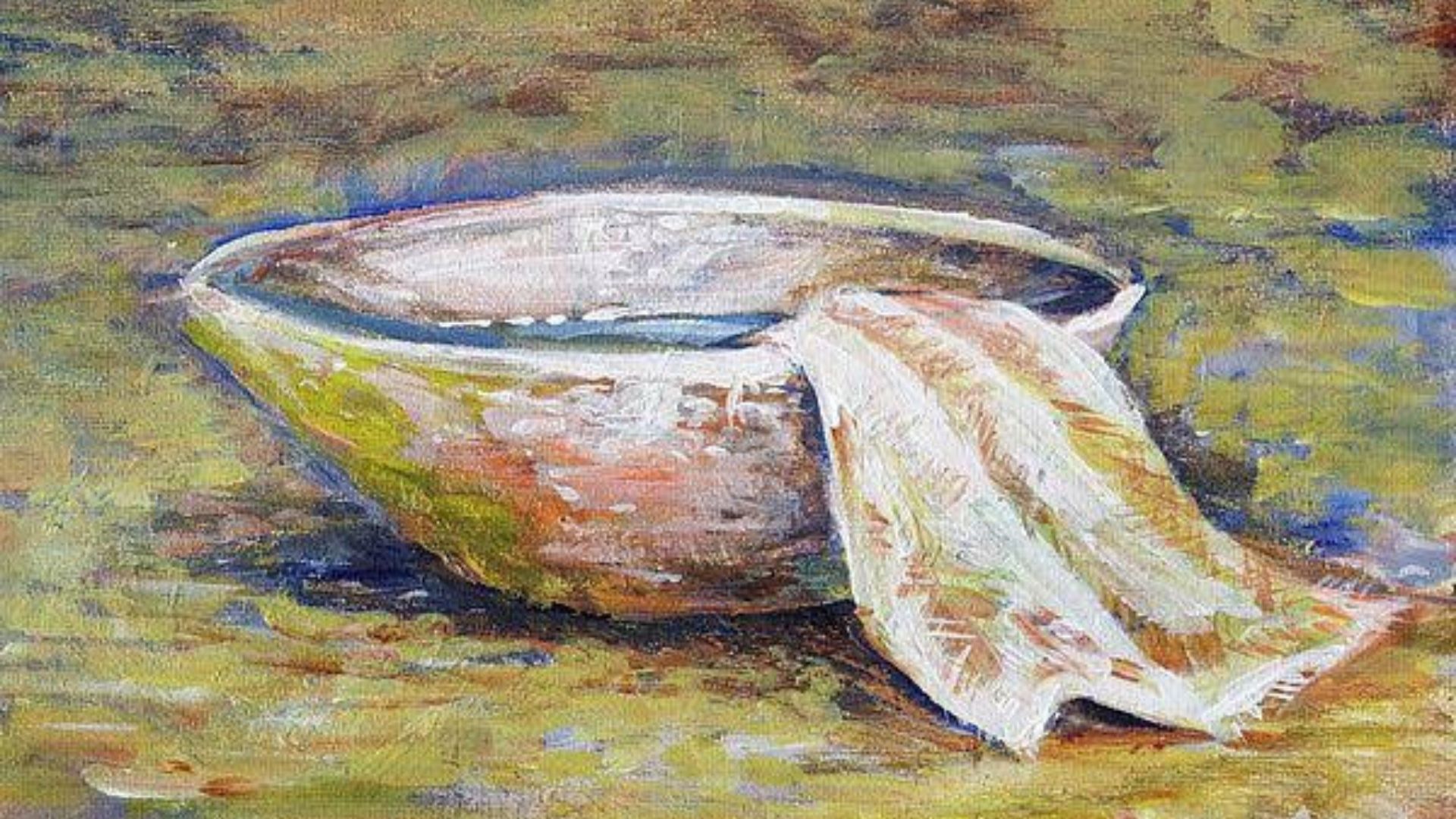
    (Painting by Aaron Spong)

    Series: 1 & 2 Peter, by Rosie Moore.

    Knowing God in a personal relationship should naturally lead to a grace-based life. This is how Peter instructs first century believers to go about their everyday lives, as homeless exiles scattered all over the Greco-Roman world:

    “Above all, keep loving one another earnestly, since love covers a multitude of sins. Show hospitality to one another without grumbling. As each has received a gift, use it to serve one another, as good stewards of God’s varied grace: whoever speaks, as one who speaks oracles of God; whoever serves, as one who serves by the strength that God supplies—in order that in everything God may be glorified through Jesus Christ. To him belong glory and dominion forever and ever. Amen.” (1 Peter 4:8-11)

    Peter affirms the ethic we see throughout Scripture—that love is our top priority as God’s special community (Luke 10:27; Lev 19:9-18): “It is more blessed to give than to receive” (Acts 20:35). This distinctly Judeo-Christian idea, which is given flesh and bones in 1 Corinthians 13, used to be known as Christian charity. Charity is the natural response of a believer who grasps the mercy and grace of Jesus poured out in their own life. What’s more, God is praised when we use our abilities as he directs, to help others (Matt 5:16; 1 Peter 4:11).

    What’s striking about Peter’s instructions is that the first century church’s base was broad—it crossed cultural, social, ethnic, gender and economic lines. Mutual love across these lines wasn’t natural or socially acceptable in the Greco-Roman world. Yet, Peter urged this diversely-gifted, mixed bag of Christians to love one another, as ‘good stewards of God’s varied grace.’

    Love one another earnestly

    If Peter is to be believed, fiery trials are never wasted on a Christian if we continue to use whatever gifts God has given us to love one another earnestly.  Some of these diverse gifts are listed in Romans 12:6-8; 1 Cor 12:8-11 and Eph 4:11, but Peter sorts them into two pigeonholes: Serving and speaking.

    I love that word “earnestly”! It means seriously, sincerely, eagerly and from the heart. It’s like a pure stream of love for fellow believers that wells up in response to the gospel which has saved us all. “Now that you have purified yourselves by obeying the truth so that you have sincere love for your brothers, love each other deeply, from the heart” (1 Peter 1:22).

    A few months ago, when a woman joined a Bible study group that I’m part of, her husband was taken aback, “Where did you find all these new friends who love you so much? I’ve never known you to have such caring friends, and you’ve only known them a few months!” Our care for each other is born out of our common bond and precious faith in the Lord Jesus (2 Peter 1:1). It is a natural, but at the same time a supernatural kind of love that makes instant friends out of total strangers. But it’s also a love that mutually serves.

    Peter must have recalled the night when Jesus had illustrated earnest love with a bowl of water and a cloth:

    “Now that I, your Lord and Teacher, have washed your feet, you also should wash one another’s feet…A new command I give you: Love one another. As I have loved you, so you must love one another. By this everyone will know that you are my disciples, if you love one another” (John 13: 14; 34-35).

    Although none of us will live up to the radical love of Jesus, who gave up his life to save his enemies, we know that loving and serving our neighbour is part of our DNA as Christians. It’s what makes us different from the world.

    Peter lays out four identifying marks of love that would distinguish them from their culture:

    1. Steadfast service.
    2. Love that covers over a multitude of sins.
    3. Cheerful hospitality.
    4. Christ-like speech.

    We’ll explore the first two marks today.

    Steadfast service

    If you’ve been a Christian for a while, you’ll have discovered that love is easier to talk about than to do over the long haul. It’s hard to keep serving in relationships, when our own selfish hearts rub up against real people with their fears, weaknesses and sins. Virtue signaling is a lot easier than obeying Peter’s instruction to “keep loving each other” in the present continuous tense.

    Like a car, relationships require ongoing maintenance, not a once-off visit to the carwash!

    Joni Earekson Tada describes this kind of steadfast service as ‘long obedience in the same direction’. Bearing in mind that Joni is now 70 years old and has been a quadriplegic since she was 16, her perspective is pretty amazing:

    “Someone once said that the challenge of living is to develop a long obedience in the same direction. When it’s demanded, we can rise on occasion and be patient . . . as long as there are limits. But we balk when patience is required over a long haul. We don’t much like endurance. It’s painful to persevere through a marriage that’s forever struggling. A church that never crest 100 members. Housekeeping routines that never vary from week-to-week. Even caring for an elderly parent or a handicapped child can feel like a long obedience in the same direction.

    If only we could open our spiritual eyes to see the fields of grain we’re planting, growing, and reaping along the way. That’s what happens when we endure…

    Right now you may be in the middle of a long stretch of the same old routine…. You don’t hear any cheers or applause. The days run together―and so do the weeks. Your commitment to keep putting one foot in front of the other is starting to falter.

    Take a moment and look at the fruit. Perseverance. Determination. Fortitude. Patience.

    Your life is not a boring stretch of highway. It’s a straight line to heaven. And just look at the fields ripening along the way. Look at the tenacity and endurance. Look at the grains of righteousness. You’ll have quite a crop at harvest . . . so don’t give up!”

    (Joni Eareckson Tada, Holiness in Hidden Places).

    But, just in case we think we can serve in our own strength, Peter reminds us to serve “with the strength God provides” (1 Peter 4:11). If we depend on our own abilities, or serve to feel better about ourselves, we’ll be burnt out before we’re around the first bend. Christian charity is fuelled and directed by Christ, and it’s about God’s glory not our own: “Let your light shine before men, that they may see your good deeds and praise your Father in heaven” (Matt 5:16).

    Love covers over a multitude of sins

    Then, in verse 8, Peter makes the point that it’s not possible to keep loving and serving one another unless we also overlook offenses and extend mercy to each other, for “love covers over a multitude of sins”. Paul describes this charitable love as “bearing with one another in love, eager to maintain the unity of the Spirit in the bond of peace” (Eph 4:2-3).

    Charitable love gives people the benefit of the doubt. It extends Christ’s tenderhearted forgiveness (Eph 4:32; Col 3:13) even when it’s undeserved. It doesn’t look for hidden faults or motives in what a person says or does, but takes people at face value. Covering over a multitude of sins is only possible when we know how much it cost Jesus to cover over our own sins. How much we need his mercy every day!

    Lydia Brownback comments that verse 8 “doesn’t mean that love erases sin or the pain it causes. Peter’s point is that love wants to see the best in others and interprets their circumstances in a favourable light whenever possible. And even when it’s not possible, love takes no pleasure in harping on someone’s sin or discussing it with others.”

    The prophet Zechariah adds substance to this charitable attitude: “Speak the truth to one another; render in your gates judgments that are true and make for peace; do not devise evil in your hearts against one another” (Zech 8:16-17). Authentic peace in relationships is never achieved at the expense of truth and charity. Truth and charity go hand in hand.

    The receiving end of charity

    As Peter wrote these words, I’m sure he remembered how he had been on the receiving end of truth and charity many times in his own life:

    There was that breakfast on the beach when the risen Jesus had forgiven him after his three denials (John 2:15-17). Christ hadn’t harped on Peter’s disloyalty, but had restored Peter with grace and truth.

    Then there was the time in Galatia, when Peter had acted like a hypocrite for fear of offending the Judaizers (Gal 2:11-12). Peter had effectively enabled division in the church when he favoured one group (Jews) and would no longer eat with the other group (Gentiles). Yet, after Paul’s truthful confrontation and Peter’s repentance, Paul and Peter remained fast friends, because love covered over a multitude of sins.

    How do we find the power to show grace to a person who has hurt us deeply, to cover over a multitude of sins? Certainly not by our own strength or willpower, for ‘flesh gives birth to flesh, but the Spirit gives birth to spirit’ (John 3:6).

    It is only possible through Christ’s Spirit in us. It is only Christ’s love that can move us to be peacemakers and ministers of reconciliation (1 Cor 5:14), to forgive as he has forgiven us. As sinners saved by grace, our relationships can only be sustained by Christ’s supernatural grace in us.

    But the Holy Spirit will never compel or bully us into extending charitable love–Love that covers over a multitude of sins. Gordon Macdonald and Corrie Ten Boom remind us that forgiveness requires our co-operation:

    “Forgiveness, I came to see, is about cleaning up the memory by renouncing and flushing vengeful feelings about other people.” (Gordon Macdonald, A Resilient Life: You can move ahead no matter what.)

    “Forgiveness is an act of the will, and the will can function regardless of the temperature of the heart.” (Corrie Ten Boom)

    Lord, with all the brokenness and needs around us every day, help us to be led by your Spirit in how and whom we serve. Make us aware of the gifts you have given us, so that we will be good stewards of your varied grace. Give us your heart of mercy, compassion and unfailing love. Give us your strength and grace to love deeply, to forgive easily, to be charitable and to serve each other faithfully and steadfastly. To the glory of your name, Amen.[/fusion_text][/fusion_builder_column][/fusion_builder_row][/fusion_builder_container][fusion_builder_container background_color=”#ffffff” background_image=”” background_parallax=”none” enable_mobile=”no” parallax_speed=”0.3″ background_repeat=”no-repeat” background_position=”left top” video_url=”” video_aspect_ratio=”16:9″ video_webm=”” video_mp4=”” video_ogv=”” video_preview_image=”” overlay_color=”” overlay_opacity=”0.5″ video_mute=”yes” video_loop=”yes” fade=”no” border_size=”0px” border_color=”” border_style=”solid” padding_top=”20″ padding_bottom=”20″ padding_left=”5%” padding_right=”5%” hundred_percent=”yes” equal_height_columns=”yes” hide_on_mobile=”no” menu_anchor=”” class=”” id=””][fusion_builder_row][fusion_builder_column type=”1_3″ last=”no” spacing=”yes” center_content=”yes” hide_on_mobile=”no” background_color=”” background_image=”” background_repeat=”no-repeat” background_position=”center center” hover_type=”none” link=”” border_position=”all” border_size=”0px” border_color=”” border_style=”solid” padding=”” margin_top=”” margin_bottom=”” animation_type=”0″ animation_direction=”down” animation_speed=”0.1″ animation_offset=”” class=”” id=””][fusion_imageframe lightbox=”no” gallery_id=”” lightbox_image=”” style_type=”none” hover_type=”none” bordercolor=”” bordersize=”0px” borderradius=”0″ stylecolor=”” align=”none” link=”” linktarget=”_self” animation_type=”0″ animation_direction=”down” animation_speed=”0.1″ animation_offset=”” hide_on_mobile=”no” class=”” id=””] [/fusion_imageframe][/fusion_builder_column][fusion_builder_column type=”2_3″ last=”yes” spacing=”yes” center_content=”no” hide_on_mobile=”no” background_color=”” background_image=”” background_repeat=”no-repeat” background_position=”left top” hover_type=”none” link=”” border_position=”all” border_size=”0px” border_color=”” border_style=”solid” padding=”2%” margin_top=”2%” margin_bottom=”2%” animation_type=”0″ animation_direction=”down” animation_speed=”0.1″ animation_offset=”” class=”” id=””][fusion_title size=”2″ content_align=”left” style_type=”default” sep_color=”” margin_top=”” margin_bottom=”” class=”” id=””]Receive our latest devotion in your Inbox[/fusion_title][fusion_code]Q2xpY2sgZWRpdCBidXR0b24gdG8gY2hhbmdlIHRoaXMgY29kZS4=[/fusion_code][/fusion_builder_column][/fusion_builder_row][/fusion_builder_container][fusion_builder_container background_color=”#ffffff” background_image=”” background_parallax=”none” enable_mobile=”no” parallax_speed=”0.3″ background_repeat=”no-repeat” background_position=”left top” video_url=”” video_aspect_ratio=”16:9″ video_webm=”” video_mp4=”” video_ogv=”” video_preview_image=”” overlay_color=”” overlay_opacity=”0.5″ video_mute=”yes” video_loop=”yes” fade=”no” border_size=”0px” border_color=”” border_style=”solid” padding_top=”20″ padding_bottom=”20″ padding_left=”5%” padding_right=”5%” hundred_percent=”yes” equal_height_columns=”yes” hide_on_mobile=”no” menu_anchor=”” class=”” id=””][fusion_builder_row][fusion_builder_column type=”1_1″ background_position=”left top” background_color=”” border_size=”” border_color=”” border_style=”solid” spacing=”yes” background_image=”” background_repeat=”no-repeat” padding=”” margin_top=”0px” margin_bottom=”0px” class=”” id=”” animation_type=”” animation_speed=”0.3″ animation_direction=”left” hide_on_mobile=”no” center_content=”no” min_height=”none”][fusion_title size=”2″ content_align=”left” style_type=”default” sep_color=”” margin_top=”” margin_bottom=”” class=”” id=””]Other devotions from the God Walk…[/fusion_title][/fusion_builder_column][fusion_builder_column type=”1_1″ background_position=”left top” background_color=”” border_size=”” border_color=”” border_style=”solid” spacing=”yes” background_image=”” background_repeat=”no-repeat” padding=”” margin_top=”0px” margin_bottom=”0px” class=”” id=”” animation_type=”” animation_speed=”0.3″ animation_direction=”left” hide_on_mobile=”no” center_content=”no” min_height=”none”][fusion_recent_posts layout=”default” hover_type=”none” columns=”3″ number_posts=”6″ offset=”” cat_slug=”devotion” exclude_cats=”” thumbnail=”yes” title=”yes” meta=”no” excerpt=”yes” excerpt_length=”0″ strip_html=”yes” animation_type=”0″ animation_direction=”down” animation_speed=”0.1″ animation_offset=”” class=”” id=””][/fusion_recent_posts][fusion_text]– more devotions –[/fusion_text][/fusion_builder_column][/fusion_builder_row][/fusion_builder_container]

  • Are we building bridges or driving wedges?

    Are we building bridges or driving wedges?

    [fusion_builder_container hundred_percent=”yes” overflow=”visible”][fusion_builder_row][fusion_builder_column type=”1_1″ background_position=”left top” background_color=”” border_size=”” border_color=”” border_style=”solid” spacing=”yes” background_image=”” background_repeat=”no-repeat” padding=”” margin_top=”0px” margin_bottom=”0px” class=”” id=”” animation_type=”” animation_speed=”0.3″ animation_direction=”left” hide_on_mobile=”no” center_content=”no” min_height=”none”][fusion_text]“If I speak in the tongues of men or of angels, but do not have love, I am only a resounding gong or a clanging cymbal. If I have the gift of prophecy and can fathom all mysteries and all knowledge, and if I have a faith that can move mountains, but do not have love, I am nothing. If I give all I possess to the poor and give over my body to hardship that I may boast, but do not have love, I gain nothing.

    Love is patient, love is kind. It does not envy, it does not boast, it is not proud. It does not dishonor others, it is not self-seeking, it is not easily angered, it keeps no record of wrongs. Love does not delight in evil but rejoices with the truth. It always protects, always trusts, always hopes, always perseveres. Love never fails (1 Cor 13:1-8a).

    A jacuzzi or a sword?

    I wonder how many times you’ve heard the thirteenth chapter of 1 Corinthians at a wedding? Familiar words of Scripture tend to comfort and massage us after many years of hearing them, like the warm water jets of a Jacuzzi! But this chapter of the Bible is a two-edged sword if ever there was one. It was never intended as a vague, sweet lullaby on the virtues of love, but as a stinging rebuke to the Corinthian Christians, who were full of spiritual pride and arrogance, but short on love. In the previous chapters, Paul says he has no praise for them at all, “for your meetings do more harm than good” (1 Cor 11:17; 22). Some Christians who thought they were more spiritual and useful than others, misused their spiritual gifts as symbols of power, causing rifts and rivalries (1 Cor 12). Chapter 11 and 12 are like an evidence room full of unloving behaviours. Instead of building bridges between other believers, they were driving wedges. It was a great discredit to the gospel.

    Are we bridge builders or wedge drivers in our own church, Bible study and family? Can we replace the word “love” in these verses with our own name?

    The only way we can answer these questions is to get past vague generalities and assess ourselves against the Bible’s detailed rubric of what love is…and what it is not. There are at least fifteen things about what love does and does not do in this passage. Let’s look at this familiar chapter with fresh eyes and ask the Lord to hold up a mirror to our own hearts.

    Love is longsuffering

    The very first thing Paul says about love is that it is patient and kind. We often think of patience as the pause button that stops us flying off the handle. Or we may imagine kindness as a soft emotion that translates into endless tolerance and no judgment. But in this passage, it means ‘longsuffering’, the same word to describe the persevering, unfailing love of God in Christ, which leads sinners to repentance (Rom 2:4; 1 Tim 1:16).

    It was the patient, kind love of God which culminated in His Son dying on the cross as our Saviour.

    For Paul, we never graduate from treating people with kindness and patience. If we want to be more than just a big noise, everything we do should build up the body of Christ, not tear it apart (1 Cor 14:26). The starting point is to know that we are sinners saved by God’s grace. Spiritual pride is incongruous with our “compassionate and gracious God, slow to anger, abounding in love and faithfulness” (Ex 34:6). Just as the Lord has been longsuffering with us in our rebellion and compulsive sins against Him, God’s will is that his people reflect his compassionate heart in our dealings with one another (Col 3:12-13; Eph 4:2; 1 Thess 5:14). Love is not an elective, but part of the main curriculum of Christian living!

    Kind, patient love is not an enabling, permissive love, which overlooks abuse, sin or falsehood, and resembles a doormat. Nor is it a fickle emotion that depends on the other person’s response. Kindness and patience are evidence that God’s Spirit is alive and active in our lives (Gal 5:22). Kind, patient love is determined to act in a certain way, often in spite of our instincts or feelings. It is an intentional decision to give and take less offense: To always protect, always trust, always hope, always persevere. Love never fails (1 Cor 13:7).

    It is seen in the redeeming love of Hosea for Gomer. It is the picture of Jesus setting his face towards Jerusalem, sweating blood in the Garden of Gethsemane and willingly dying in our place to make us right with God. There is nothing weak or mushy about love that is patient and kind.

    Love is not proud

    The enemy of love is not hate. It’s pride.

    Pride causes us to be puffed up and wise in our own eyes—a sin so instinctive and lethal that the Bible talks of it often (Rom 12:3,16; Prov 26:12; Prov 3:7; Isa 5:21). Love and haughtiness are incompatible.

    In an insightful article titled, “Never be wise in your own eyes”, Marshall Segal explains how pride is the cunning enemy of a group of believers and how it can be defeated:

    “Pride slowly, subtly, and quite surely endears us to ourselves. Often, the longer those close to us know us, the less remarkable or impressive we seem. Ironically, the opposite often arises in our own eyes…Pride selfishly sets itself—its wisdom, its gifts, its experience, its potential—above everyone else…

    One act of war against pride is to marvel at the army of grace at our side, all the other grace-filled, grace-empowered members of the body of Christ…True humility does not quietly despise graces that are not its own, but loves them just as much, and even more…God makes us humbly, even uncomfortably dependent on one another. And as we mature in humility, we not only acknowledge that dependence, but relish God’s wisdom in weaving us together by grace…Whatever the infinite mind and imagination of heaven has shown you, remember how painfully little you still know….

    When we refuse to be wise in our own eyes, celebrating the grace we see in others, admitting how little we still know, and boasting all the more in our weaknesses, God gets his glory— and we see someone far more satisfying than what we loved in the mirror.”

    So what happens when we declare war on our pride? Wonderful things! Humility opens the door to love. When love is invited in and allowed to flourish, we are not jealous of other Christians’ ministries or gifts. We don’t need to boast or become defensive of our own. We are not arrogant about what we know or who we are. We are not rude, even if we disagree. We don’t insist on getting our own way or enforcing our rights. We are not irritable or easily provoked. We don’t nurse grievances or feed the bitter root of resentment, but learn instead to speak frankly and generously, giving people the benefit of the doubt. We don’t coddle habits like slander or gossip, but enjoy honest, face-to-face conversations with one another. Our dealings with other Christians are laced with grace, even when we feel aggrieved. Love’s goal is to build up and be helpful to the body of Christ, not to divide or weaken it. These are the implications of love described in 1 Cor 13:4-7.

    Where the rubber hits the road

    Of course, you’re probably shaking your head and secretly mumbling, “What planet is she on? No group of people behaves like this all the time, not even Christians. Always this…Never that….Paul’s expecting utopia on earth and it’s never going to happen! Surely our job is to guard the truth and get the gospel out? Christians must learn not to be such fragile snowflakes!”

    The problem is that the New Testament gives us no loophole to escape the clearly revealed will of God in 1 Cor 13! Love is foundational, and without it our goals and gifts are null and void (1 Cor 13:1; 14:26). In fact, love is our greatest asset in discipleship and evangelism.

    Love between Christians is both the litmus test and visible proof to the watching world that the gospel is true (John 13:35; 1 John 4:10, 11, 12). Love is so vastly different from the rude, brash and boastful world in which we live. A marriage, a family, a church or a life group marked by this kind of love is an astonishing and winsome sight to behold. On the other extreme, as a child I was part of a church that split apart, and in my twenties I was a lawyer in bitter divorces and lawsuits between Christians. It was a shock to witness worse cruelty, rudeness and narcissism than I’d ever seen even in non-Christian circles. There is no greater disgrace to the gospel than professing Christians who refuse to crucify pride and are forever finding loopholes to dodge the clear mandate of love which is given to each and every one of God’s children.

    Our patient love for each other communicates how our Father loves and redeems sinners. The way we build bridges through confessing our sin and forgiving one another demonstrates how Christ reconciles broken people to himself and to each other. Our kindness and gentleness is living proof that the Spirit transforms selfish sinners into the image of Christ. When we  encourage one another, we are proclaiming that Jesus is indeed the Wonderful Counsellor, Mighty God, Prince of Peace! Our theology is believable when we love one another.

    If love is a bridge and pride is a wedge, which one are we building in our short time on earth?

    “And now these three remain: faith, hope and love. But the greatest of these is love” (1 Cor 13:13).

    Prayer

    Lord, I realise that I don’t even begin to resemble the picture of love painted in this passage. Please forgive me for the impatient and unkind ways I’ve treated people this week. Hold up a mirror to my life and show me where love is absent and pride is dancing on the stage. Infuse me with your strong, determined, relentless love. Fill me with reminders of your great grace in dying on the cross for me while I was still your enemy. Only a picture of your face will free me from my self-seeking pride. I look so forward to seeing you face-to-face when I will experience pure and perfect love for all eternity. Only your love will keep me loving others in the meantime. In Jesus’s name, Amen.
    [/fusion_text][/fusion_builder_column][/fusion_builder_row][/fusion_builder_container][fusion_builder_container background_color=”#ffffff” background_image=”” background_parallax=”none” enable_mobile=”no” parallax_speed=”0.3″ background_repeat=”no-repeat” background_position=”left top” video_url=”” video_aspect_ratio=”16:9″ video_webm=”” video_mp4=”” video_ogv=”” video_preview_image=”” overlay_color=”” overlay_opacity=”0.5″ video_mute=”yes” video_loop=”yes” fade=”no” border_size=”0px” border_color=”” border_style=”solid” padding_top=”20″ padding_bottom=”20″ padding_left=”5%” padding_right=”5%” hundred_percent=”yes” equal_height_columns=”yes” hide_on_mobile=”no” menu_anchor=”” class=”” id=””][fusion_builder_row][fusion_builder_column type=”1_3″ last=”no” spacing=”yes” center_content=”yes” hide_on_mobile=”no” background_color=”” background_image=”” background_repeat=”no-repeat” background_position=”center center” hover_type=”none” link=”” border_position=”all” border_size=”0px” border_color=”” border_style=”solid” padding=”” margin_top=”” margin_bottom=”” animation_type=”0″ animation_direction=”down” animation_speed=”0.1″ animation_offset=”” class=”” id=””][fusion_imageframe lightbox=”no” gallery_id=”” lightbox_image=”” style_type=”none” hover_type=”none” bordercolor=”” bordersize=”0px” borderradius=”0″ stylecolor=”” align=”none” link=”” linktarget=”_self” animation_type=”0″ animation_direction=”down” animation_speed=”0.1″ animation_offset=”” hide_on_mobile=”no” class=”” id=””] [/fusion_imageframe][/fusion_builder_column][fusion_builder_column type=”2_3″ last=”yes” spacing=”yes” center_content=”no” hide_on_mobile=”no” background_color=”” background_image=”” background_repeat=”no-repeat” background_position=”left top” hover_type=”none” link=”” border_position=”all” border_size=”0px” border_color=”” border_style=”solid” padding=”2%” margin_top=”2%” margin_bottom=”2%” animation_type=”0″ animation_direction=”down” animation_speed=”0.1″ animation_offset=”” class=”” id=””][fusion_title size=”2″ content_align=”left” style_type=”default” sep_color=”” margin_top=”” margin_bottom=”” class=”” id=””]Receive our latest devotion in your Inbox[/fusion_title][fusion_code]Q2xpY2sgZWRpdCBidXR0b24gdG8gY2hhbmdlIHRoaXMgY29kZS4=[/fusion_code][/fusion_builder_column][/fusion_builder_row][/fusion_builder_container][fusion_builder_container background_color=”#ffffff” background_image=”” background_parallax=”none” enable_mobile=”no” parallax_speed=”0.3″ background_repeat=”no-repeat” background_position=”left top” video_url=”” video_aspect_ratio=”16:9″ video_webm=”” video_mp4=”” video_ogv=”” video_preview_image=”” overlay_color=”” overlay_opacity=”0.5″ video_mute=”yes” video_loop=”yes” fade=”no” border_size=”0px” border_color=”” border_style=”solid” padding_top=”20″ padding_bottom=”20″ padding_left=”5%” padding_right=”5%” hundred_percent=”yes” equal_height_columns=”yes” hide_on_mobile=”no” menu_anchor=”” class=”” id=””][fusion_builder_row][fusion_builder_column type=”1_1″ background_position=”left top” background_color=”” border_size=”” border_color=”” border_style=”solid” spacing=”yes” background_image=”” background_repeat=”no-repeat” padding=”” margin_top=”0px” margin_bottom=”0px” class=”” id=”” animation_type=”” animation_speed=”0.3″ animation_direction=”left” hide_on_mobile=”no” center_content=”no” min_height=”none”][fusion_title size=”2″ content_align=”left” style_type=”default” sep_color=”” margin_top=”” margin_bottom=”” class=”” id=””]Other devotions from the God Walk…[/fusion_title][/fusion_builder_column][fusion_builder_column type=”1_1″ background_position=”left top” background_color=”” border_size=”” border_color=”” border_style=”solid” spacing=”yes” background_image=”” background_repeat=”no-repeat” padding=”” margin_top=”0px” margin_bottom=”0px” class=”” id=”” animation_type=”” animation_speed=”0.3″ animation_direction=”left” hide_on_mobile=”no” center_content=”no” min_height=”none”][fusion_recent_posts layout=”default” hover_type=”none” columns=”3″ number_posts=”6″ offset=”” cat_slug=”devotion” exclude_cats=”” thumbnail=”yes” title=”yes” meta=”no” excerpt=”yes” excerpt_length=”0″ strip_html=”yes” animation_type=”0″ animation_direction=”down” animation_speed=”0.1″ animation_offset=”” class=”” id=””][/fusion_recent_posts][fusion_text]– more devotions –[/fusion_text][/fusion_builder_column][/fusion_builder_row][/fusion_builder_container]