Tag: 1 Peter

  • Hospitality as a way of life

    Hospitality as a way of life

    [fusion_builder_container hundred_percent=”yes” overflow=”visible”][fusion_builder_row][fusion_builder_column type=”1_1″ background_position=”left top” background_color=”” border_size=”” border_color=”” border_style=”solid” spacing=”yes” background_image=”” background_repeat=”no-repeat” padding=”” margin_top=”0px” margin_bottom=”0px” class=”” id=”” animation_type=”” animation_speed=”0.3″ animation_direction=”left” hide_on_mobile=”no” center_content=”no” min_height=”none”][fusion_text]

    Series: 1 & 2 Peter, by Rosie Moore.

    “Show hospitality to one another without grumbling. As each has received a gift, use it to serve one another, as good stewards of God’s varied grace: whoever speaks, as one who speaks oracles of God; whoever serves, as one who serves by the strength that God supplies.”  Peter 4:9-11.

    Practise hospitality… without grumbling!

    Generous, cheerful hospitality. This is a vital way that God works through his church family to bring refreshment and love to others. But there is a deeper significance to hospitality than providing food, drink and a place to sleep. Hospitality is one of the ways that we welcome Christ into our everyday lives and homes. And it is the way that we mirror his gospel invitation to others.

    What’s more, like all God’s commands, hospitality enables us to live well in God’s world. According to a seventy-five year old Harvard study of well-being, the happiest and healthiest people prioritize relationships with family, friends and community (Click here). God’s ways are always for our good.

    Hospitality reflects God’s heart

    But hospitality has always been more about God than us. Among God’s Old Testament people, welcoming a stranger was a cultural expectation, as was hospitality among friends (Ruth 2:9; 1 Sam 25:6; Job 31:31-32). And likewise, in the New testament, hospitality is a pillar of Christian living: “Contribute to the needs of the saints and seek to show hospitality” (Rom 12:13; Heb 13:2).

    Amazingly, Rahab the prostitute demonstrated true faith in Yahweh by welcoming the spies into her home in Jericho (Heb 11:31). And the Bible remembers the Shunammite woman and the widow of Zarephath, (both Gentiles), for their willingness to show hospitality to the prophets Elisha and Elijah (2 Kings 4:9-10; 1 Kings 17:9).

    Likewise, hospitality is listed as an attribute of a godly leader in the Church (Titus 1:8; 1 Tim 3:2). And specific mentions are made of first century lay Christians like Aquila and Priscilla who, through their willingness to show hospitality, opened the doorway of the gospel to many people in Rome, Corinth and Ephesus (Rom 16:3-4; 1 Cor 16:19; 2 Tim 4:19). We read about this hospitable couple in Acts 18.

    Hospitality and the gospel invitation

    But the Greek word for hospitality in the Bible (philoxenia) has a much wider definition than just having our friends around for a meal. It means “love of the stranger”. It has always been a fruitful vehicle for gospel ministry. As Stacy Reaoch explains,

    “We want to serve others well so they will see Jesus and desire to follow him, bearing kingdom fruit. We want them to be drawn to the love of the church, not because of our elegant china, but because of the kindness shown them”.

    Hospitality is important to Christianity, because it mirrors God’s gospel invitation. And so, when Jesus told his parable of the Great Banquet, he was inviting sinners into God’s spiritual family. But then he concluded his parable by instructing his followers to offer hospitality to those who couldn’t repay them, just as God has done with us (Luke 14:13-14). And so, hospitality is an everyday, tangible way to mirror God’s gracious offer in salvation. That’s why it’s just a way of life for a Christian.

    Looking from this gospel viewpoint, it would seem that when we show hospitality to someone, we welcome and serve Christ himself (Matt 25:34-35; 40.)

    A joy… or a duty?

    Yet, despite knowing all these things, I’ve often found myself viewing hospitality as just another guilt-inducing chore, a heavy burden to bear. Why are we prone to be more like Martha, “troubled by many things” (Luke 10:41), rather than like Lydia, who begged to host Paul in her home in Thyatira (Acts 16:15)? It’s easy to see hospitality as a duty rather than a joy:

    Especially if you’ve got young children and can barely make it to the 5pm finish line;

    Especially when your living space is tiny (and your bank balance is even tinier);

    Especially if you’re an introvert and find people draining;

    Especially if you’re in the habit of burning supper!

    But Peter must have anticipated this response, since he adds the condition– ‘without grumbling!’ Perhaps we’ve been brainwashed by too many episodes of ‘Come Dine with Me’ or ‘Downton Abbey!” We’ve bought into the idea that hospitality is about cooking skills, an impressive menu, a decorated home and table settings.

    Hospitality is not entertaining

    But Jen Wilkin stresses that hospitality is nothing like entertaining, for

    “Entertaining seeks to impress, Hospitality seeks to bless.’

    Unpretentious hospitality is accessible to every Christian, married or unmarried… if our focus is directed away from ourselves and towards Christ and the person he has led us to serve.

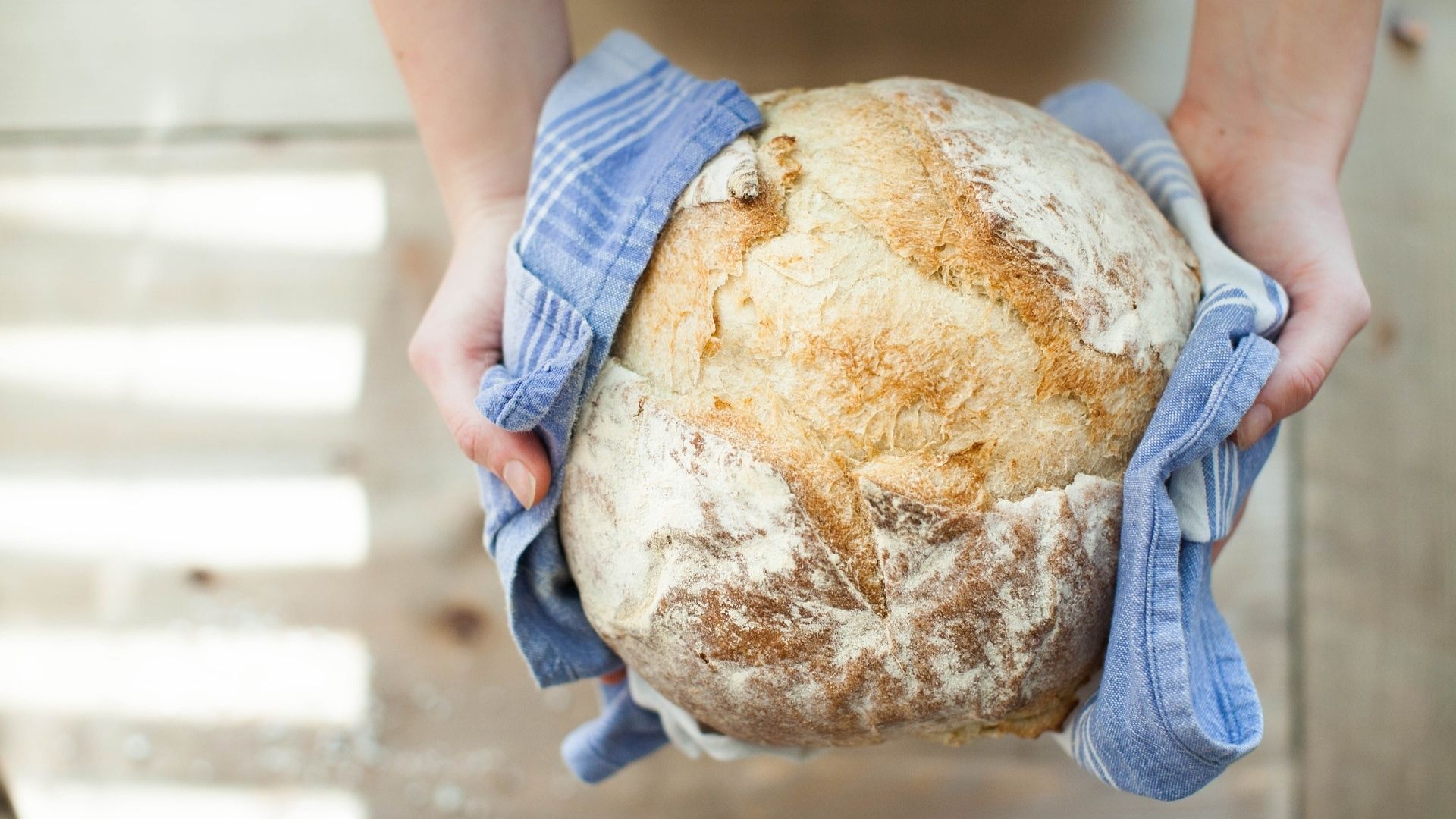
    The goal of Christian hospitality is not what we offer, but the heart behind it. There are many ways to show hospitality, including inviting a friend for coffee; hosting a Bible study; spontaneously inviting someone for lunch after Church; having children over for a play date; cooking and childminding for a sick friend; offering a meal or basket of eggs as a gift; baking a loaf of fresh bread. Hospitality is simply using whatever God has given us to refresh others.

    The heartbeat of hospitality is to echo God’s welcoming heart, regardless of how much money we have or what our living arrangements are. I’m sure Peter’s original readers– scattered Christians in the first century—did not have fancy homes or special food. In fact, many of them were homeless, but I imagine that Aquila and Priscilla’s tents came in handy as a shelter from the cold.

    To make hospitality a sustainable way of life, we must avoid the fuss-trap! Here are some principles to help us:

    1. Hospitality starts at home.

    During Covid, the Lord has shown us that hospitality begins in our own household: Make a regular dinner-time, arrange a special night of the week to read Scripture and speak words of blessing over your household. Invite one or two guests at a time to share a meal, especially the vulnerable and lonely. Ask them to share what the Lord is doing in their lives. Pray that guests will find Christ in your heart and home.

    1. Focus on people, not preparation!

    You’re much more likely to practice hospitality if you keep things simple from the word go! Collect simple recipes for one-pot meals and cook double quantities so that there’s always a spare meal in the freezer for unexpected guests. Use up whatever you have in the house to avoid a special trip to the shops. Remember that the goal of hospitality is to make your guest/s feel loved and cared for, rather than to impress them with a fancy menu and spotless home. So don’t put unnecessary pressure on yourself.

    1. Hospitality is a team effort

    Hospitality is often misrepresented as a one-sided gesture—the host must wait hand-and-foot on the guest, who sits on the sofa! But the Bible speaks of mutual sharing and reciprocal serving among his people. In fact, the phrase “each other” occurs 100 times in the New Testament. So, if your guest offers to contribute something or to help with the meal, accept their offer gladly. Great conversations happen over the chopping board and braai! And if you have children, train them to help. Make your meal a team effort, so you won’t say, “Once, but never again!” Likewise, if you are the guest, think of how you can refresh your host.

    1. Be you!

    Remember that there’s no rubric for hospitality!

    My mom’s love language is food and her meals are pure heaven! Even at 80, when she invites people over, her table groans with a feast that the best chefs would envy.  She loves poring over recipes, planning menus, and her greatest joy is watching her grandchildren relish five roast potatoes for Sunday lunch! In contrast, my sister and I are in the habit of serving ‘recycléés’ to our guests– a fancy French term for recycled leftovers! Our greatest joy is seeing an empty fridge by the end of the week!

    But I remember being a child and living for six years in a tiny caravan. Even with four children in that tiny caravan, far from the nearest town, I watched my parents offer generous hospitality to friends and strangers alike. We had a steady stream of guests staying with us, eating and laughing around our wobbly green table! If I were to sum up what I saw in our home, it would be this:

    People mattered, not perfection. My parents were genuinely interested in other people, and so they created a home where the elderly were cherished, young people were welcomed and children were loved. Relationships were nurtured and nourished as a way of life.

    In obeying Peter’s instruction to practise hospitality, we do not have to meet some unattainable standard. We don’t have to pretend that our homes and families are perfect. We just need to be ourselves. Peter reminds us that God has gifted us differently to serve one another in the church family, “as good stewards of God’s varied grace” (1 Peter 4:10). And God’s name is glorified when we open our hearts and our homes to those around us, whether that’s over a three course meal, Uber Eats or a can of baked beans on toast.[/fusion_text][/fusion_builder_column][/fusion_builder_row][/fusion_builder_container][fusion_builder_container background_color=”#ffffff” background_image=”” background_parallax=”none” enable_mobile=”no” parallax_speed=”0.3″ background_repeat=”no-repeat” background_position=”left top” video_url=”” video_aspect_ratio=”16:9″ video_webm=”” video_mp4=”” video_ogv=”” video_preview_image=”” overlay_color=”” overlay_opacity=”0.5″ video_mute=”yes” video_loop=”yes” fade=”no” border_size=”0px” border_color=”” border_style=”solid” padding_top=”20″ padding_bottom=”20″ padding_left=”5%” padding_right=”5%” hundred_percent=”yes” equal_height_columns=”yes” hide_on_mobile=”no” menu_anchor=”” class=”” id=””][fusion_builder_row][fusion_builder_column type=”1_3″ last=”no” spacing=”yes” center_content=”yes” hide_on_mobile=”no” background_color=”” background_image=”” background_repeat=”no-repeat” background_position=”center center” hover_type=”none” link=”” border_position=”all” border_size=”0px” border_color=”” border_style=”solid” padding=”” margin_top=”” margin_bottom=”” animation_type=”0″ animation_direction=”down” animation_speed=”0.1″ animation_offset=”” class=”” id=””][fusion_imageframe lightbox=”no” gallery_id=”” lightbox_image=”” style_type=”none” hover_type=”none” bordercolor=”” bordersize=”0px” borderradius=”0″ stylecolor=”” align=”none” link=”” linktarget=”_self” animation_type=”0″ animation_direction=”down” animation_speed=”0.1″ animation_offset=”” hide_on_mobile=”no” class=”” id=””] [/fusion_imageframe][/fusion_builder_column][fusion_builder_column type=”2_3″ last=”yes” spacing=”yes” center_content=”no” hide_on_mobile=”no” background_color=”” background_image=”” background_repeat=”no-repeat” background_position=”left top” hover_type=”none” link=”” border_position=”all” border_size=”0px” border_color=”” border_style=”solid” padding=”2%” margin_top=”2%” margin_bottom=”2%” animation_type=”0″ animation_direction=”down” animation_speed=”0.1″ animation_offset=”” class=”” id=””][fusion_title size=”2″ content_align=”left” style_type=”default” sep_color=”” margin_top=”” margin_bottom=”” class=”” id=””]Receive our latest devotion in your Inbox[/fusion_title][fusion_code]Q2xpY2sgZWRpdCBidXR0b24gdG8gY2hhbmdlIHRoaXMgY29kZS4=[/fusion_code][/fusion_builder_column][/fusion_builder_row][/fusion_builder_container][fusion_builder_container background_color=”#ffffff” background_image=”” background_parallax=”none” enable_mobile=”no” parallax_speed=”0.3″ background_repeat=”no-repeat” background_position=”left top” video_url=”” video_aspect_ratio=”16:9″ video_webm=”” video_mp4=”” video_ogv=”” video_preview_image=”” overlay_color=”” overlay_opacity=”0.5″ video_mute=”yes” video_loop=”yes” fade=”no” border_size=”0px” border_color=”” border_style=”solid” padding_top=”20″ padding_bottom=”20″ padding_left=”5%” padding_right=”5%” hundred_percent=”yes” equal_height_columns=”yes” hide_on_mobile=”no” menu_anchor=”” class=”” id=””][fusion_builder_row][fusion_builder_column type=”1_1″ background_position=”left top” background_color=”” border_size=”” border_color=”” border_style=”solid” spacing=”yes” background_image=”” background_repeat=”no-repeat” padding=”” margin_top=”0px” margin_bottom=”0px” class=”” id=”” animation_type=”” animation_speed=”0.3″ animation_direction=”left” hide_on_mobile=”no” center_content=”no” min_height=”none”][fusion_title size=”2″ content_align=”left” style_type=”default” sep_color=”” margin_top=”” margin_bottom=”” class=”” id=””]Other devotions from the God Walk…[/fusion_title][/fusion_builder_column][fusion_builder_column type=”1_1″ background_position=”left top” background_color=”” border_size=”” border_color=”” border_style=”solid” spacing=”yes” background_image=”” background_repeat=”no-repeat” padding=”” margin_top=”0px” margin_bottom=”0px” class=”” id=”” animation_type=”” animation_speed=”0.3″ animation_direction=”left” hide_on_mobile=”no” center_content=”no” min_height=”none”][fusion_recent_posts layout=”default” hover_type=”none” columns=”3″ number_posts=”6″ offset=”” cat_slug=”devotion” exclude_cats=”” thumbnail=”yes” title=”yes” meta=”no” excerpt=”yes” excerpt_length=”0″ strip_html=”yes” animation_type=”0″ animation_direction=”down” animation_speed=”0.1″ animation_offset=”” class=”” id=””][/fusion_recent_posts][fusion_text]– more devotions –[/fusion_text][/fusion_builder_column][/fusion_builder_row][/fusion_builder_container]

  • Loving each other in a season of testing

    Loving each other in a season of testing

    [fusion_builder_container hundred_percent=”yes” overflow=”visible”][fusion_builder_row][fusion_builder_column type=”1_1″ background_position=”left top” background_color=”” border_size=”” border_color=”” border_style=”solid” spacing=”yes” background_image=”” background_repeat=”no-repeat” padding=”” margin_top=”0px” margin_bottom=”0px” class=”” id=”” animation_type=”” animation_speed=”0.3″ animation_direction=”left” hide_on_mobile=”no” center_content=”no” min_height=”none”][fusion_text]

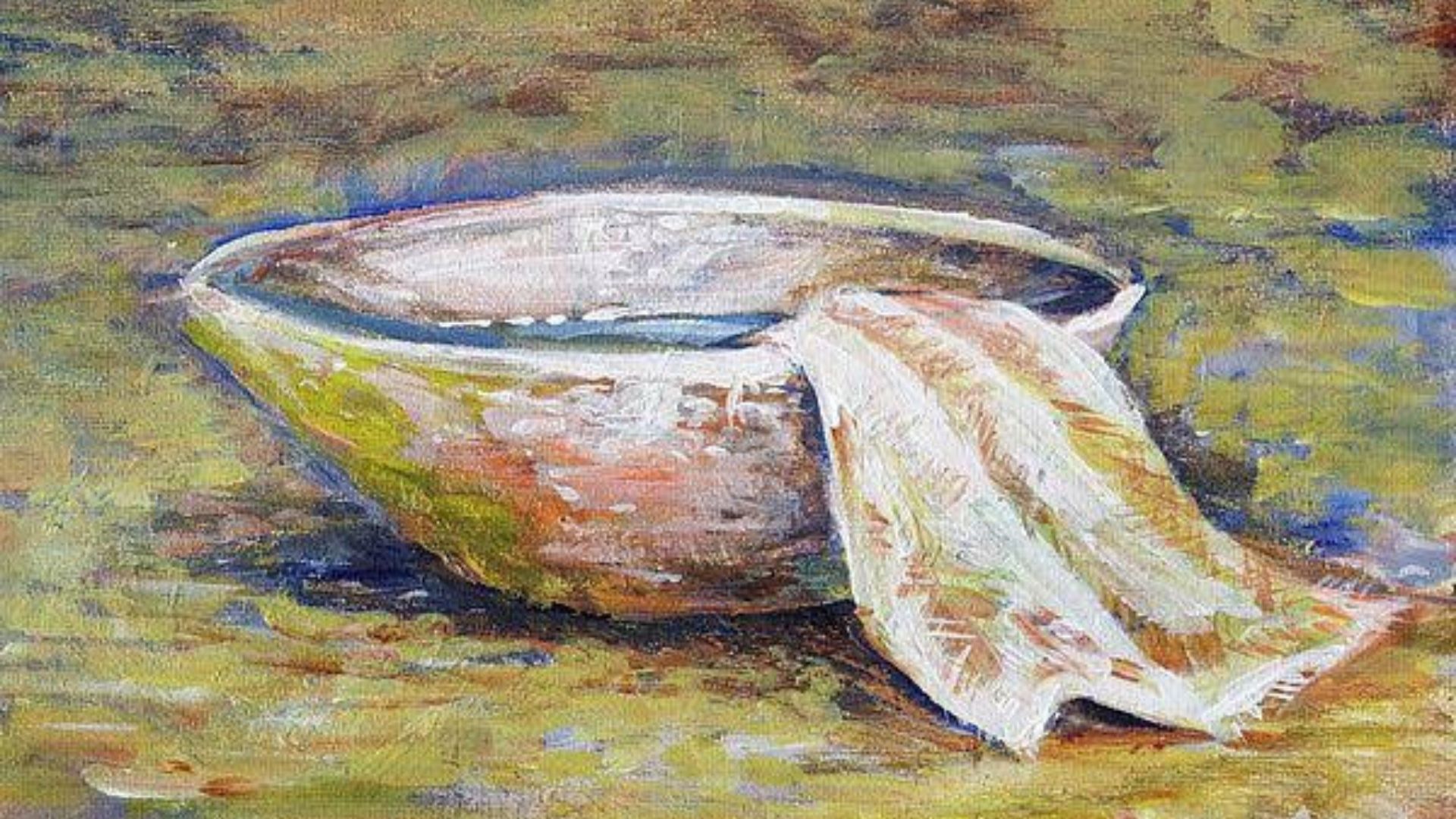
    (Painting by Aaron Spong)

    Series: 1 & 2 Peter, by Rosie Moore.

    Knowing God in a personal relationship should naturally lead to a grace-based life. This is how Peter instructs first century believers to go about their everyday lives, as homeless exiles scattered all over the Greco-Roman world:

    “Above all, keep loving one another earnestly, since love covers a multitude of sins. Show hospitality to one another without grumbling. As each has received a gift, use it to serve one another, as good stewards of God’s varied grace: whoever speaks, as one who speaks oracles of God; whoever serves, as one who serves by the strength that God supplies—in order that in everything God may be glorified through Jesus Christ. To him belong glory and dominion forever and ever. Amen.” (1 Peter 4:8-11)

    Peter affirms the ethic we see throughout Scripture—that love is our top priority as God’s special community (Luke 10:27; Lev 19:9-18): “It is more blessed to give than to receive” (Acts 20:35). This distinctly Judeo-Christian idea, which is given flesh and bones in 1 Corinthians 13, used to be known as Christian charity. Charity is the natural response of a believer who grasps the mercy and grace of Jesus poured out in their own life. What’s more, God is praised when we use our abilities as he directs, to help others (Matt 5:16; 1 Peter 4:11).

    What’s striking about Peter’s instructions is that the first century church’s base was broad—it crossed cultural, social, ethnic, gender and economic lines. Mutual love across these lines wasn’t natural or socially acceptable in the Greco-Roman world. Yet, Peter urged this diversely-gifted, mixed bag of Christians to love one another, as ‘good stewards of God’s varied grace.’

    Love one another earnestly

    If Peter is to be believed, fiery trials are never wasted on a Christian if we continue to use whatever gifts God has given us to love one another earnestly.  Some of these diverse gifts are listed in Romans 12:6-8; 1 Cor 12:8-11 and Eph 4:11, but Peter sorts them into two pigeonholes: Serving and speaking.

    I love that word “earnestly”! It means seriously, sincerely, eagerly and from the heart. It’s like a pure stream of love for fellow believers that wells up in response to the gospel which has saved us all. “Now that you have purified yourselves by obeying the truth so that you have sincere love for your brothers, love each other deeply, from the heart” (1 Peter 1:22).

    A few months ago, when a woman joined a Bible study group that I’m part of, her husband was taken aback, “Where did you find all these new friends who love you so much? I’ve never known you to have such caring friends, and you’ve only known them a few months!” Our care for each other is born out of our common bond and precious faith in the Lord Jesus (2 Peter 1:1). It is a natural, but at the same time a supernatural kind of love that makes instant friends out of total strangers. But it’s also a love that mutually serves.

    Peter must have recalled the night when Jesus had illustrated earnest love with a bowl of water and a cloth:

    “Now that I, your Lord and Teacher, have washed your feet, you also should wash one another’s feet…A new command I give you: Love one another. As I have loved you, so you must love one another. By this everyone will know that you are my disciples, if you love one another” (John 13: 14; 34-35).

    Although none of us will live up to the radical love of Jesus, who gave up his life to save his enemies, we know that loving and serving our neighbour is part of our DNA as Christians. It’s what makes us different from the world.

    Peter lays out four identifying marks of love that would distinguish them from their culture:

    1. Steadfast service.
    2. Love that covers over a multitude of sins.
    3. Cheerful hospitality.
    4. Christ-like speech.

    We’ll explore the first two marks today.

    Steadfast service

    If you’ve been a Christian for a while, you’ll have discovered that love is easier to talk about than to do over the long haul. It’s hard to keep serving in relationships, when our own selfish hearts rub up against real people with their fears, weaknesses and sins. Virtue signaling is a lot easier than obeying Peter’s instruction to “keep loving each other” in the present continuous tense.

    Like a car, relationships require ongoing maintenance, not a once-off visit to the carwash!

    Joni Earekson Tada describes this kind of steadfast service as ‘long obedience in the same direction’. Bearing in mind that Joni is now 70 years old and has been a quadriplegic since she was 16, her perspective is pretty amazing:

    “Someone once said that the challenge of living is to develop a long obedience in the same direction. When it’s demanded, we can rise on occasion and be patient . . . as long as there are limits. But we balk when patience is required over a long haul. We don’t much like endurance. It’s painful to persevere through a marriage that’s forever struggling. A church that never crest 100 members. Housekeeping routines that never vary from week-to-week. Even caring for an elderly parent or a handicapped child can feel like a long obedience in the same direction.

    If only we could open our spiritual eyes to see the fields of grain we’re planting, growing, and reaping along the way. That’s what happens when we endure…

    Right now you may be in the middle of a long stretch of the same old routine…. You don’t hear any cheers or applause. The days run together―and so do the weeks. Your commitment to keep putting one foot in front of the other is starting to falter.

    Take a moment and look at the fruit. Perseverance. Determination. Fortitude. Patience.

    Your life is not a boring stretch of highway. It’s a straight line to heaven. And just look at the fields ripening along the way. Look at the tenacity and endurance. Look at the grains of righteousness. You’ll have quite a crop at harvest . . . so don’t give up!”

    (Joni Eareckson Tada, Holiness in Hidden Places).

    But, just in case we think we can serve in our own strength, Peter reminds us to serve “with the strength God provides” (1 Peter 4:11). If we depend on our own abilities, or serve to feel better about ourselves, we’ll be burnt out before we’re around the first bend. Christian charity is fuelled and directed by Christ, and it’s about God’s glory not our own: “Let your light shine before men, that they may see your good deeds and praise your Father in heaven” (Matt 5:16).

    Love covers over a multitude of sins

    Then, in verse 8, Peter makes the point that it’s not possible to keep loving and serving one another unless we also overlook offenses and extend mercy to each other, for “love covers over a multitude of sins”. Paul describes this charitable love as “bearing with one another in love, eager to maintain the unity of the Spirit in the bond of peace” (Eph 4:2-3).

    Charitable love gives people the benefit of the doubt. It extends Christ’s tenderhearted forgiveness (Eph 4:32; Col 3:13) even when it’s undeserved. It doesn’t look for hidden faults or motives in what a person says or does, but takes people at face value. Covering over a multitude of sins is only possible when we know how much it cost Jesus to cover over our own sins. How much we need his mercy every day!

    Lydia Brownback comments that verse 8 “doesn’t mean that love erases sin or the pain it causes. Peter’s point is that love wants to see the best in others and interprets their circumstances in a favourable light whenever possible. And even when it’s not possible, love takes no pleasure in harping on someone’s sin or discussing it with others.”

    The prophet Zechariah adds substance to this charitable attitude: “Speak the truth to one another; render in your gates judgments that are true and make for peace; do not devise evil in your hearts against one another” (Zech 8:16-17). Authentic peace in relationships is never achieved at the expense of truth and charity. Truth and charity go hand in hand.

    The receiving end of charity

    As Peter wrote these words, I’m sure he remembered how he had been on the receiving end of truth and charity many times in his own life:

    There was that breakfast on the beach when the risen Jesus had forgiven him after his three denials (John 2:15-17). Christ hadn’t harped on Peter’s disloyalty, but had restored Peter with grace and truth.

    Then there was the time in Galatia, when Peter had acted like a hypocrite for fear of offending the Judaizers (Gal 2:11-12). Peter had effectively enabled division in the church when he favoured one group (Jews) and would no longer eat with the other group (Gentiles). Yet, after Paul’s truthful confrontation and Peter’s repentance, Paul and Peter remained fast friends, because love covered over a multitude of sins.

    How do we find the power to show grace to a person who has hurt us deeply, to cover over a multitude of sins? Certainly not by our own strength or willpower, for ‘flesh gives birth to flesh, but the Spirit gives birth to spirit’ (John 3:6).

    It is only possible through Christ’s Spirit in us. It is only Christ’s love that can move us to be peacemakers and ministers of reconciliation (1 Cor 5:14), to forgive as he has forgiven us. As sinners saved by grace, our relationships can only be sustained by Christ’s supernatural grace in us.

    But the Holy Spirit will never compel or bully us into extending charitable love–Love that covers over a multitude of sins. Gordon Macdonald and Corrie Ten Boom remind us that forgiveness requires our co-operation:

    “Forgiveness, I came to see, is about cleaning up the memory by renouncing and flushing vengeful feelings about other people.” (Gordon Macdonald, A Resilient Life: You can move ahead no matter what.)

    “Forgiveness is an act of the will, and the will can function regardless of the temperature of the heart.” (Corrie Ten Boom)

    Lord, with all the brokenness and needs around us every day, help us to be led by your Spirit in how and whom we serve. Make us aware of the gifts you have given us, so that we will be good stewards of your varied grace. Give us your heart of mercy, compassion and unfailing love. Give us your strength and grace to love deeply, to forgive easily, to be charitable and to serve each other faithfully and steadfastly. To the glory of your name, Amen.[/fusion_text][/fusion_builder_column][/fusion_builder_row][/fusion_builder_container][fusion_builder_container background_color=”#ffffff” background_image=”” background_parallax=”none” enable_mobile=”no” parallax_speed=”0.3″ background_repeat=”no-repeat” background_position=”left top” video_url=”” video_aspect_ratio=”16:9″ video_webm=”” video_mp4=”” video_ogv=”” video_preview_image=”” overlay_color=”” overlay_opacity=”0.5″ video_mute=”yes” video_loop=”yes” fade=”no” border_size=”0px” border_color=”” border_style=”solid” padding_top=”20″ padding_bottom=”20″ padding_left=”5%” padding_right=”5%” hundred_percent=”yes” equal_height_columns=”yes” hide_on_mobile=”no” menu_anchor=”” class=”” id=””][fusion_builder_row][fusion_builder_column type=”1_3″ last=”no” spacing=”yes” center_content=”yes” hide_on_mobile=”no” background_color=”” background_image=”” background_repeat=”no-repeat” background_position=”center center” hover_type=”none” link=”” border_position=”all” border_size=”0px” border_color=”” border_style=”solid” padding=”” margin_top=”” margin_bottom=”” animation_type=”0″ animation_direction=”down” animation_speed=”0.1″ animation_offset=”” class=”” id=””][fusion_imageframe lightbox=”no” gallery_id=”” lightbox_image=”” style_type=”none” hover_type=”none” bordercolor=”” bordersize=”0px” borderradius=”0″ stylecolor=”” align=”none” link=”” linktarget=”_self” animation_type=”0″ animation_direction=”down” animation_speed=”0.1″ animation_offset=”” hide_on_mobile=”no” class=”” id=””] [/fusion_imageframe][/fusion_builder_column][fusion_builder_column type=”2_3″ last=”yes” spacing=”yes” center_content=”no” hide_on_mobile=”no” background_color=”” background_image=”” background_repeat=”no-repeat” background_position=”left top” hover_type=”none” link=”” border_position=”all” border_size=”0px” border_color=”” border_style=”solid” padding=”2%” margin_top=”2%” margin_bottom=”2%” animation_type=”0″ animation_direction=”down” animation_speed=”0.1″ animation_offset=”” class=”” id=””][fusion_title size=”2″ content_align=”left” style_type=”default” sep_color=”” margin_top=”” margin_bottom=”” class=”” id=””]Receive our latest devotion in your Inbox[/fusion_title][fusion_code]Q2xpY2sgZWRpdCBidXR0b24gdG8gY2hhbmdlIHRoaXMgY29kZS4=[/fusion_code][/fusion_builder_column][/fusion_builder_row][/fusion_builder_container][fusion_builder_container background_color=”#ffffff” background_image=”” background_parallax=”none” enable_mobile=”no” parallax_speed=”0.3″ background_repeat=”no-repeat” background_position=”left top” video_url=”” video_aspect_ratio=”16:9″ video_webm=”” video_mp4=”” video_ogv=”” video_preview_image=”” overlay_color=”” overlay_opacity=”0.5″ video_mute=”yes” video_loop=”yes” fade=”no” border_size=”0px” border_color=”” border_style=”solid” padding_top=”20″ padding_bottom=”20″ padding_left=”5%” padding_right=”5%” hundred_percent=”yes” equal_height_columns=”yes” hide_on_mobile=”no” menu_anchor=”” class=”” id=””][fusion_builder_row][fusion_builder_column type=”1_1″ background_position=”left top” background_color=”” border_size=”” border_color=”” border_style=”solid” spacing=”yes” background_image=”” background_repeat=”no-repeat” padding=”” margin_top=”0px” margin_bottom=”0px” class=”” id=”” animation_type=”” animation_speed=”0.3″ animation_direction=”left” hide_on_mobile=”no” center_content=”no” min_height=”none”][fusion_title size=”2″ content_align=”left” style_type=”default” sep_color=”” margin_top=”” margin_bottom=”” class=”” id=””]Other devotions from the God Walk…[/fusion_title][/fusion_builder_column][fusion_builder_column type=”1_1″ background_position=”left top” background_color=”” border_size=”” border_color=”” border_style=”solid” spacing=”yes” background_image=”” background_repeat=”no-repeat” padding=”” margin_top=”0px” margin_bottom=”0px” class=”” id=”” animation_type=”” animation_speed=”0.3″ animation_direction=”left” hide_on_mobile=”no” center_content=”no” min_height=”none”][fusion_recent_posts layout=”default” hover_type=”none” columns=”3″ number_posts=”6″ offset=”” cat_slug=”devotion” exclude_cats=”” thumbnail=”yes” title=”yes” meta=”no” excerpt=”yes” excerpt_length=”0″ strip_html=”yes” animation_type=”0″ animation_direction=”down” animation_speed=”0.1″ animation_offset=”” class=”” id=””][/fusion_recent_posts][fusion_text]– more devotions –[/fusion_text][/fusion_builder_column][/fusion_builder_row][/fusion_builder_container]

  • We are strangers in the world!

    We are strangers in the world!

    [fusion_builder_container hundred_percent=”yes” overflow=”visible”][fusion_builder_row][fusion_builder_column type=”1_1″ background_position=”left top” background_color=”” border_size=”” border_color=”” border_style=”solid” spacing=”yes” background_image=”” background_repeat=”no-repeat” padding=”” margin_top=”0px” margin_bottom=”0px” class=”” id=”” animation_type=”” animation_speed=”0.3″ animation_direction=”left” hide_on_mobile=”no” center_content=”no” min_height=”none”][fusion_text]

    Series: 1&2 Peter, by Rosie Moore

    This is the first in a series of devotions in 1 and 2 Peter.

    “Dear friends, I urge you, as foreigners and exiles, to abstain from sinful desires, which wage war against your soul. 12 Live such good lives among the pagans that, though they accuse you of doing wrong, they may see your good deeds and glorify God on the day he visits us” (1 Peter 2:11-12).

    As Christians, we are the most privileged people on the planet. Lest we forget, the Apostle Peter reminds us that we have been chosen by God and our salvation and security rest in the free and merciful choice of God (1 Peter 1:1-3). Nothing can take away our “living hope” in the resurrected Jesus (1 Peter 1:3). Unlike everything else in this flimsy world, our heavenly inheritance is permanent and indestructible—it can never perish, spoil or fade (1 Peter 1:4). And through faith in the Lord Jesus, God will shield us and keep us true to our faith until we see our Saviour face to face, to live with him in his perfect home, forever and ever (1 Peter 1:5). What’s more, as the Lord’s chosen people (1 Peter 1:9-10), we have a secure identity in Christ. And as the family of God, we have a million reasons to praise God with the Apostle Peter: “Blessed be the God and Father of our Lord Jesus Christ!” (1 Peter 1:3).

    But as privileged as we are, we are also strangers in this world (1 Peter 1:1). This is something we should never forget or underplay, even for the purpose of growing God’s kingdom in the world.

    First century strangers.

    In fact, the lived reality of Peter’s original readers– Christians scattered across the Roman empire due to persecution– is a picture of Christians in every era, who in a sense are called to be strangers, exiles and pilgrims in the world. It is a picture of us, until we reach our permanent home in heaven.

    This is how Peter addresses his original readers:

    Peter, an apostle of Jesus Christ, to those who are elect exiles of the Dispersion in Pontus, Galatia, Cappadocia, Asia, and Bithynia”. He calls them exiles of the Dispersion, because that is literally what they were. They were scatterlings of Christ in far flung places, away from the comfort, security and community of home.

    Let’s walk for a moment in the shoes of these exiled believers who, despite their genuine suffering and grief in “all sorts of trials”, were being urged to “rejoice with joy that is inexpressible and filled with glory” (1 Peter 1:6; 8). What exactly was the source of these trials? And how were they to find joy in the midst of them?

    Cultural traitors.

    History tells us that these Christians had been banished from their homes in Jerusalem and Rome, branded as traitors by their Jewish communities and declared enemies of Rome. This violent dispersion is described in Acts 8:1-4.

    Their suffering took many forms (1 Peter 1:6): On account of the Lord’s supper, the Christians were falsely accused of ‘secret’ immoral worship practices, cannibalism and incest. They were caricatured as haters of humanity and scorned for their irrational beliefs. Two years after Peter’s second letter, Christianity was banned in the Roman empire (64AD), so things were getting worse, not better.

    But ironically, far from being rebels, these Christians were living out their faith in selfless service to each other and submission to authorities. Their problem was that they did not blend in with their culture. They refused to conform to the world around them, but aspired to God’s standards of holiness instead (1 Peter 1:14-16).

    In spite of their quiet, good lives, they committed the ultimate ‘crimes’ of their day: They would not affirm or participate in the sins of their culture and insisted that Jesus was the only way to know God. They didn’t support the Roman ideals of self, of power and of conquest. And worst of all, they would not bow to Caesar or the Roman gods. So, their crime was not that they were evil, but that they were cultural traitors and non- conformists. This was deeply offensive to their society, and ultimately became a crime worthy of death. That’s why they were scattered all over the Roman empire, living as strangers in the world.

    Peter drives home their refugee status several times in his letter (1 Peter 1:17; 2:11). But, as strangers, he doesn’t give them false comfort. He doesn’t promise them prosperity, protection or popularity. And he doesn’t urge them to appease or agree with their culture in an attempt to grow God’s kingdom.

    Instead, Peter instructs them plainly to “abstain from sinful desires, which war against your soul, to live such good lives among the pagans that, though they accuse you of doing wrong, they may see your good deeds and glorify God on the day he visits us” (1 Peter 2:11-12). He reminds them that God the Father judges each man’s work impartially, so they are to “live as strangers here in reverent fear” (1 Peter 1:11). They are to be self-controlled and obedient, holy and distinct from their culture, “for as it is written: Be holy because I am holy” (1 Peter 1:13-16).

    The miracle of Christ’s mustard-seed kingdom is that the more Christians were dragged from their homes and persecuted, the more they scattered like seeds, spreading the good news of Jesus Christ to the whole Roman empire and beyond. Little churches were planted throughout the empire and gatherings of believers blossomed, even in Africa, until there were more than 40 000 Christians by AD 150.

    So what do Peter’s instructions mean for Christians living in the world today?

    Strangers today.

    Peter’s letter is for us today! Although we all prefer to be accepted and hope to woo the world with the gospel, Peter reminds us that our ‘narrow’ worldview will always be deeply offensive to those who oppose Christ. Jesus reminded us of this reality too: “If the world hates you, bear in mind that it hated me first. If you belonged to the world, it would love you as its own. As it is, you do not belong to the world, but I have chosen you out of the world. That is why the world hates you” (John 15:18-19).  And James is unequivocal about this too: “Don’t you know that friendship with the world means enmity against God?” (James 4:4) Friendship with the world is a dangerous thing for our souls and it doesn’t help the cause of the gospel either.

    The Apostle Peter is clear that we should never set out to be offensive, strange or unloving. We don’t use our freedom as an excuse for evil but show proper respect to everyone (1 Peter 2:16-17). We are first and foremost servants of Christ, so we must fear God and honour authorities (1 Peter 2:17).

    But when we don’t conform; when we seek to obey God’s Word instead of bowing down to the high priests of academia; when we demolish ideas that set themselves against Christ; when we live holy, distinctive lifestyles, we will automatically be ostracised. We will be ridiculed and caricatured when we expose our culture’s sin rather than affirm and accept it. And if the prophets, Jesus, and Peter’s readers are our examples, then we too will be offensive. It’s an inevitable byproduct of living as foreigners in the world.

    Timothy Keller explains one area this may apply to Christians in contemporary culture:

    “The earliest church was seen as too exclusive and a threat to the social order because it would not honor all deities. Today Christians are again being seen exclusive and a threat to the social order because we will not honor all identities.

    But we remember that Christ, who is the “stone the builders rejected…the stone that causes men to stumble” (1 Peter 2:7-8) is a precious Rock to build our lives on, because “the one who trusts in Him will never be put to shame” (1 Peter 2:6). That’s why, like Peter’s original readers, “you can greatly rejoice, though now for a little while you may have had to suffer grief in all kinds of trials” (1 Peter 1:6).

    Let’s ask the Lord Jesus to help us to be true to him, to love God and his Word, rather than the world and its ways.

    “Do not love the world or the things in the world. If anyone loves the world, the love of the Father is not in him. 16 For all that is in the world—the desires of the flesh and the desires of the eyes and pride of life—is not from the Father but is from the world. 17 And the world is passing away along with its desires, but whoever does the will of God abides forever” (1 John 2:15-17).


    &nbsp[/fusion_text][/fusion_builder_column][/fusion_builder_row][/fusion_builder_container][fusion_builder_container background_color=”#ffffff” background_image=”” background_parallax=”none” enable_mobile=”no” parallax_speed=”0.3″ background_repeat=”no-repeat” background_position=”left top” video_url=”” video_aspect_ratio=”16:9″ video_webm=”” video_mp4=”” video_ogv=”” video_preview_image=”” overlay_color=”” overlay_opacity=”0.5″ video_mute=”yes” video_loop=”yes” fade=”no” border_size=”0px” border_color=”” border_style=”solid” padding_top=”20″ padding_bottom=”20″ padding_left=”5%” padding_right=”5%” hundred_percent=”yes” equal_height_columns=”yes” hide_on_mobile=”no” menu_anchor=”” class=”” id=””][fusion_builder_row][fusion_builder_column type=”1_3″ last=”no” spacing=”yes” center_content=”yes” hide_on_mobile=”no” background_color=”” background_image=”” background_repeat=”no-repeat” background_position=”center center” hover_type=”none” link=”” border_position=”all” border_size=”0px” border_color=”” border_style=”solid” padding=”” margin_top=”” margin_bottom=”” animation_type=”0″ animation_direction=”down” animation_speed=”0.1″ animation_offset=”” class=”” id=””][fusion_imageframe lightbox=”no” gallery_id=”” lightbox_image=”” style_type=”none” hover_type=”none” bordercolor=”” bordersize=”0px” borderradius=”0″ stylecolor=”” align=”none” link=”” linktarget=”_self” animation_type=”0″ animation_direction=”down” animation_speed=”0.1″ animation_offset=”” hide_on_mobile=”no” class=”” id=””] [/fusion_imageframe][/fusion_builder_column][fusion_builder_column type=”2_3″ last=”yes” spacing=”yes” center_content=”no” hide_on_mobile=”no” background_color=”” background_image=”” background_repeat=”no-repeat” background_position=”left top” hover_type=”none” link=”” border_position=”all” border_size=”0px” border_color=”” border_style=”solid” padding=”2%” margin_top=”2%” margin_bottom=”2%” animation_type=”0″ animation_direction=”down” animation_speed=”0.1″ animation_offset=”” class=”” id=””][fusion_title size=”2″ content_align=”left” style_type=”default” sep_color=”” margin_top=”” margin_bottom=”” class=”” id=””]Receive our latest devotion in your Inbox[/fusion_title][fusion_code]Q2xpY2sgZWRpdCBidXR0b24gdG8gY2hhbmdlIHRoaXMgY29kZS4=[/fusion_code][/fusion_builder_column][/fusion_builder_row][/fusion_builder_container][fusion_builder_container background_color=”#ffffff” background_image=”” background_parallax=”none” enable_mobile=”no” parallax_speed=”0.3″ background_repeat=”no-repeat” background_position=”left top” video_url=”” video_aspect_ratio=”16:9″ video_webm=”” video_mp4=”” video_ogv=”” video_preview_image=”” overlay_color=”” overlay_opacity=”0.5″ video_mute=”yes” video_loop=”yes” fade=”no” border_size=”0px” border_color=”” border_style=”solid” padding_top=”20″ padding_bottom=”20″ padding_left=”5%” padding_right=”5%” hundred_percent=”yes” equal_height_columns=”yes” hide_on_mobile=”no” menu_anchor=”” class=”” id=””][fusion_builder_row][fusion_builder_column type=”1_1″ background_position=”left top” background_color=”” border_size=”” border_color=”” border_style=”solid” spacing=”yes” background_image=”” background_repeat=”no-repeat” padding=”” margin_top=”0px” margin_bottom=”0px” class=”” id=”” animation_type=”” animation_speed=”0.3″ animation_direction=”left” hide_on_mobile=”no” center_content=”no” min_height=”none”][fusion_title size=”2″ content_align=”left” style_type=”default” sep_color=”” margin_top=”” margin_bottom=”” class=”” id=””]Other devotions from the God Walk…[/fusion_title][/fusion_builder_column][fusion_builder_column type=”1_1″ background_position=”left top” background_color=”” border_size=”” border_color=”” border_style=”solid” spacing=”yes” background_image=”” background_repeat=”no-repeat” padding=”” margin_top=”0px” margin_bottom=”0px” class=”” id=”” animation_type=”” animation_speed=”0.3″ animation_direction=”left” hide_on_mobile=”no” center_content=”no” min_height=”none”][fusion_recent_posts layout=”default” hover_type=”none” columns=”3″ number_posts=”6″ offset=”” cat_slug=”devotion” exclude_cats=”” thumbnail=”yes” title=”yes” meta=”no” excerpt=”yes” excerpt_length=”0″ strip_html=”yes” animation_type=”0″ animation_direction=”down” animation_speed=”0.1″ animation_offset=”” class=”” id=””][/fusion_recent_posts][fusion_text]– more devotions –[/fusion_text][/fusion_builder_column][/fusion_builder_row][/fusion_builder_container]