Category: David Kobedi

  • The One Thing That Changed Everything

    The One Thing That Changed Everything

    By David Kobedi.

    At Easter time, we remember the one thing that changed everything: that a man called Jesus walked the streets of Palestine, was crucified by the Romans, and around the 6th of April 33 A.D, came back to life. A group of 11 men claimed to have seen Him alive and were willing to die for that claim. The resurrection of Jesus Christ changed everything for them. That small group of men changed the course of history as we know it; and it should completely change your life.

    I think we all know what it means for our lives to be changed. When something momentous happens, life cannot go on as normal. When a pandemic hits our world, it changes everything. Major sporting events get cancelled, spending behaviours change and the whole world comes to a standstill. Suddenly, the things that matter most to us change and something else begins to govern. In our case, the desire to curb the growth of a deadly virus is what governs us and what has kept us in our homes. I am careful to make this comparison, but in a much bigger and more constructive way, the resurrection of Jesus was more momentous. Through the resurrection, God the Father established Jesus the Son as the King who would govern your life and my life.

    In 1 Corinthians 15, Paul explores two possibilities: the implications of the resurrection being true, and the possibility of if it not being real.

    1. The implication of the resurrection not being real.

    32 What do I gain if, humanly speaking, I fought with beasts at Ephesus? If the dead are not raised, “Let us eat and drink, for tomorrow we die.”

    If the resurrection didn’t happen, then those who died defending it wasted their lives. Moreover, proclaiming Jesus as Lord is a wasted effort. All that is left is for one to indulge in pleasure and binge drinking; to make the most of it all, because it will end in death. But of course, it is real, and life has purpose because of that.

    1. The implications of the resurrection being real.

    34 Wake up from your drunken stupor, as is right, and do not go on sinning. For some have no knowledge of God. I say this to your shame

    Jesus has opened a new way of living for us. The resurrection is proof that our sin-ravaged world has been destroyed with all of its patterns of life. So, those who have trusted in Him need to walk in this new life that Jesus has opened for them: to stop living in the sinful patterns of our world and live as people who anticipate this new life. So, it is possible to turn away from sin, because Jesus has made it possible.

    Chapter 15 ends with this exhortation:

    58 Therefore, my beloved brothers, be steadfast, immovable, always abounding in the work of the Lord, knowing that in the Lord your labour is not in vain.

    Jesus is alive. Life has meaning, purpose and hope. So, stand firm and trust HIM!

  • Evidence big enough to pin your hopes on

    Evidence big enough to pin your hopes on

    By David Kobedi

    In all of human culture, there are always stories that we tell each other to deal with the reality of our mortality. Even though we don’t realise it, these stories form the lens through which we viewour lives. In Midrand, where I work, there are 3 predominant stories: Those of African traditional beliefs, Eastern religions and Western materialism. An average person runs to one or more of these in times of trouble. But do these stories offer real hope to our gloomy reality?

    I grew up in a household that synchronised African Traditional Beliefs with a form of Christian tradition and I would have confidently affirmed that the stories I grew up hearing not only gave hope but were the best explanation of what happens to us when we die. We believed that when someone dies, they go on to join those who have gone before us. The Setswana euphemism for death is ‘o iketse badimong’; meaning that one has passed on to the place of the ancestors (literally translated: gods). So, if mortality means promotion to a divine status, one can understand why it made sense to pin our hopes on this. But as appealing as this belief may appear, it is not substantiated by enough evidence.

    The Christian story, however, provides real hope because it is based on the certainty of something that has really happened. Paul outlines this story to the church in Corinth. Now, we need to remember that the prevailing story in the Corinthian culture, in many ways similar to Western Materialism, was that dead people do not come back to life. But his counterargument in 1 Corinthians 15 is that the bodily resurrection of Jesus is the ultimate evidence that physical, bodily life is possible after death. In verses 4 to 8, he gives a list of eyewitnesses who can substantiate this evidence. The resultant, certain hope is this:
    20 But in fact Christ has been raised from the dead, the first fruits of those who have fallen asleep. 21 For as by a man came death, by a man has come also the resurrection of the dead. 22 For as in Adam all die, so also in Christ shall all be made alive. 23 But each in his own order: Christ the first fruits, then at his coming those who belong to Christ.

    So, there are many things that we are not certain of in these trying times. But the one thing we are assured of is that Christ died for our sins and came back to life. He will come again one day and those who belong to him and have trusted in Him will be raised to be like him. In His resurrection, Jesus gave the world a real taste of what true life looks like: a life where humanity’s worst problem is conquered. That’s the Christian story. It is filled with a sure hope: the only lens we need to look through as we make sense of our present reality.

  • Which reality governs your life?

    Which reality governs your life?

    By David Kobedi

    In his book titled Christ-Centered Preaching, Bryan Chapell says that every passage of scripture has a ‘Fallen Condition Focus’. This is “the mutual human condition that contemporary believers [fusion_builder_container hundred_percent=”yes” overflow=”visible”][fusion_builder_row][fusion_builder_column type=”1_1″ background_position=”left top” background_color=”” border_size=”” border_color=”” border_style=”solid” spacing=”yes” background_image=”” background_repeat=”no-repeat” padding=”” margin_top=”0px” margin_bottom=”0px” class=”” id=”” animation_type=”” animation_speed=”0.3″ animation_direction=”left” hide_on_mobile=”no” center_content=”no” min_height=”none”][Christians living in 2020 Johannesburg] share with those for or by whom the text was written that requires the grace of the passage to manifest God’s glory in his people”. In 1 Corinthians 15, the ‘mutual human condition’ that modern Christians shared with those who lived in Corinth was resurrection amnesia.

    The culture of Corinth had permeated the Church so much that the lines between believers and non-believers were blurred. It seemed that they had forgotten the Gospel story that made them Christians to begin with. I use the word ‘seem’ because it is impossible that they had forgotten, however, their conduct contradicted their knowledge and what they claimed to believe. The reality of their mortality appeared more tangible than their Christian hope in the resurrection; and this led them to live as if this life is all there is.

    So, Paul opens up a new section in his letter by saying: “Now I would remind you…” (1 Corinthians 15:1). He wants to provide a cure for their amnesia by presenting to them the same gospel story they had initially received. He quotes a well-known creed (statement of belief) in verses 3-5 which summarises the Gospel story:

    For I delivered to you as of first importance what I also received: that Christ died for our sins in accordance with the Scriptures, that he was buried, that he was raised on the third day in accordance with the Scriptures, and that he appeared to Cephas, then to the twelve.

    Now, take note of the four aspects of this Christian story.

    1. The man Jesus died on behalf of sinners.

    No respectable historian denies the fact that there was a man called Jesus who lived around 30 AD; who was arrested and crucified. But one of the things that our culture has to deal with is the reality that only this death was enough to deal with human sin. So, the Christian story begins with the death of Jesus on behalf of sinful people.

    2. His burial in a tomb.

    This same Jesus who died was buried by a man called Joseph of Arimathea. Meaning that he was truly dead. So, contrary to some popular claims that he didn’t really die, he was cold, lifeless, and decomposing.

    3. His resurrection on the third day

    Now, here’s where the rubber hits the road. On a Sunday Morning, probably around 5th April, 33 AD, Jesus came back to life. The tomb that was closed with a heavy stone was empty.

    4. His appearance before Peter and the 12

    There is a weight of evidence for this resurrection. There were many eyewitnesses would could attest to that. And Paul keeps on saying: ‘in accordance with the Scriptures’ which means that God planned it and executed it.

    So, if our fallen condition is resurrection amnesia, then, the glory of God’s grace in this passage is his well-executed plan of raising Christ from the dead. That is a powerful truth. And I wonder if that’s the truth that governs your life at this moment.[/fusion_builder_column][/fusion_builder_row][/fusion_builder_container]
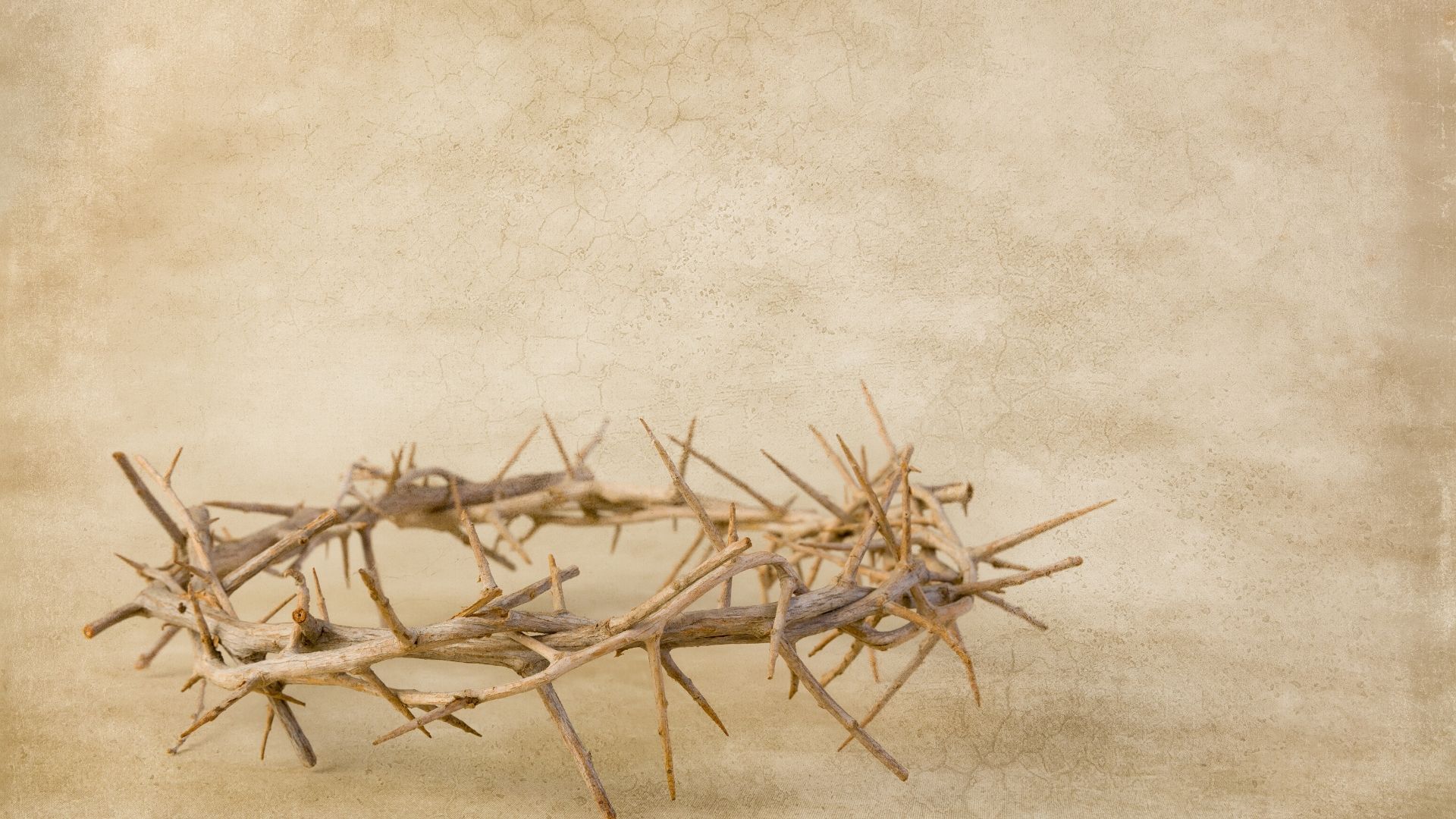
  • There is a more powerful reality to live for.

    There is a more powerful reality to live for.

    By David Kobedi

    There’s never been a time when we were confronted with the reality of our mortality like we are right now. The Corona virus infection and death rates are increasing; and for many of us this has brought into focus what we deem to be truly important. It is clear for many of us that it is neither our net worth, our achievements nor our greatest experiences. What do they amount to if we are all going to die? These kinds of questions make us yearn for more from life. Now, when your snacks are done, and you have run out of Netflix shows to binge on, do you ever think to yourself: is there more to this life?

    No-one captures this question better than Peggy Lee in her 1969 hit. Having experienced pain, pleasure and love she pauses to ask the question: Is that all there is? Her answer is this:

    If that’s all there is my friends, then let’s keep dancing
    Let’s break out the booze and have a ball…
    Is that all there is…

    lyrics echo the conclusion that St. Paul reached many years ago. In his first letter to the Church in Corinth he concludes that if this life is all there is: let us eat and drink, for tomorrow we die (1 Corinthians 15:32). In other words, if the only things that matter in life are what we can touch, see and feel; and if it all ends with death, then the sensible conclusion is to be despondent and surrender to self-indulgence.

    There is, however, an alternative. The Christian story offers compelling answers to the question of the meaning of human life in the face of our impending mortality. In 1 Corinthians 15:3-8, Paul reminds the Christians in Corinth of this story and he challenges them to reflect on how it reshapes their outlook on life. At the climax of this story is a more powerful reality: the crucified Jesus rose from death to life.

    In the City of Corinth, like the city of Joburg, “everybody knew dead people didn’t and couldn’t come back to bodily life” (NT Wright 2003: 316). According to their culture and ours, the physical life was the only true reality. And this line of thinking led to a pleasure-seeking, self-indulgent lifestyle. In his 2010 commentary, Brian Rosner points out that “sexual immorality, greed and idolatry” (Rosner 2010: 3) are the three major sins that were a struggle in the church; and unless the church wrestles with the reality of the resurrected Jesus, it will never break its ties to the surrounding culture. To put it more positively, the more we live in the reality of the risen Lord Jesus, the more we will break ties with the patterns of our broken culture; and the more we break away from those patterns, the more we will make sense of our lives; especially in times like these.

    So, join me every Tuesday as we explore the theme of the resurrection from 1 Corinthians 15 and how it applies to our lives. Blessings!

  • Love

    Love

    Let’s talk about love…

    Our culture’s view on love

    I wonder what comes to your mind when you think of love? I know what comes to my mind: a song I heard on 94.7 the other day. Yes, sometimes I listen to Joburg’s number one hit station. And the hit at that time was “If it ain’t love, then why does it feel so good” by Jason Derulo. The rest of the lyrics are borderline ungodly so I’m not even going to discuss what he was on about. If it feels good according to Derulo it has to be love. Or how about this quote I saw on a poster? “Love is missing someone whenever you’re apart, but somehow feeling warm inside, because you’re close in heart.” We all tend to have all sorts of emotional, warm, fuzzy feeling associations when it comes to love.

    Is love that feeling you get when a flood of uncontrollable tears rushes down your face as you exchange your vows on your wedding day? Or is it being overwhelmed by the joy of holding your firstborn for the first time in your arms; accompanied by another episode of uncontrollable tears of Joy? I’ve never experienced this, it happened to a friend of mine . Is that what love is?

    It is what we see in “Rom coms”. It’s our music. It’s deeply entrenched in our hearts. I love this person. Things just feel right when I’m with them.

    Our view of love leaves us wanting

    Here’s the thing that we all know: this sort of thinking is not only deceptive and fleeting, it doesn’t help us when crunch time comes. Think about it. What happens when you look at your spouse with this thought, “I know I said ‘till death do us part’ but right now I feel like arranging the death part? What happens when your lovely bundle of joy can’t stop crying and you haven’t slept for days? Those feelings seem to become distant memories.

    We therefore need to rethink our understanding of love. And we need to do so by looking at God’s perspective on the cross. So what does the Bible have to say about the emotion of love? Does it shed any light on the topic of love? And what are the practical things that can help us with this emotion?

    The biblical view of love

    Now this is going to revolutionise your thinking. It revolutionised my thinking last year. Love is not an emotion. I’m pretty sure that’s not news to you. You’ve heard it before. But do we understand it? Because when the bible speaks about the best way someone has displayed love, it shifts our attention to a man on a cross. And the bible claims that we can’t truly love others, or even understand love if we don’t understand that cross.

    When God calls husbands to love their wives, he points them to the cross (Ephesians 5:25). That is clearly despite their feelings. When was the last time you felt like dying for someone? Look at how he encourages believers to love one another:

    7 Beloved, let us love one another, for love is from God, and whoever loves has been born of God and knows God. 8 Anyone who does not love does not know God, because God is love. 9 In this the love of God was made manifest among us, that God sent his only Son into the world, so that we might live through him. 10 In this is love, not that we have loved God but that he loved us and sent his Son to be the propitiation (sacrifice that paid) for our sins. 11 Beloved, if God so loved us, we also ought to love one another (1 John 4: 7-11)

    True love is derived from ultimate love. And the ultimate way in which someone has loved was the cross. God moving towards underserving people and dying for them. It was selfless. It was for the benefit of others. It wasn’t about how we made him feel, in fact it was contrary. We were unlovable. And if we don’t understand ultimate love, we will remain trapped in what our culture tells us.

    Practical things to help us.

    So, I think we need to come to our senses. We need to look at that selfless man on the cross. And having seen the beauty of what he has done for selfish people like ourselves; we need to push against our culture’s selfish view of love. To look away from ourselves and to look to Christ. If I see the beauty of the cross I will not want to ‘seek my own way’. That is as practical as it gets. It has to begin with how much I grasp the message of the cross.

    When I understand it, I will not ask what would Jesus do, but I will ask: what has Jesus done? And how does He call me to live and behave differently? So let’s do a little test to put some meat on it.

    Let’s insert ‘I am’ in that Corinthians scripture where it says ‘love is’…

    I am patient and kind; I do not envy or boast; I am not arrogant or rude. I do not insist on my own way; I am not irritable or resentful; I do not rejoice at wrongdoing, but rejoice with the truth. (1 Corinthians 13: 4-6)

    How are you doing in that? In what places are you struggling? I think if I were to be honest. I fail this test. And the only way for me to do all of these is to look at the one who has done it all. He is the one I ask for strength.

    Think of the times when you are tempted to seek your own way. Whether it’s being impatient with a family member, struggling to love your spouse, wanting to come back from work and zone out, or not desiring to engage in conversation with your child. At that moment ask yourself this question: how can I be loving at this very time?

    [fusion_builder_container background_color=”#ffffff” background_image=”” background_parallax=”none” enable_mobile=”no” parallax_speed=”0.3″ background_repeat=”no-repeat” background_position=”left top” video_url=”” video_aspect_ratio=”16:9″ video_webm=”” video_mp4=”” video_ogv=”” video_preview_image=”” overlay_color=”” overlay_opacity=”0.5″ video_mute=”yes” video_loop=”yes” fade=”no” border_size=”0px” border_color=”” border_style=”solid” padding_top=”20″ padding_bottom=”20″ padding_left=”5%” padding_right=”5%” hundred_percent=”yes” equal_height_columns=”yes” hide_on_mobile=”no” menu_anchor=”” class=”” id=””][fusion_builder_row][fusion_builder_column type=”1_3″ last=”no” spacing=”yes” center_content=”no” hide_on_mobile=”no” background_color=”” background_image=”https://www.christchurchmidrand.co.za//wp-content/uploads/2017/07/Mail-2.png” background_repeat=”no-repeat” background_position=”center center” hover_type=”none” link=”” border_position=”all” border_size=”0px” border_color=”” border_style=”solid” padding=”” margin_top=”” margin_bottom=”” animation_type=”0″ animation_direction=”down” animation_speed=”0.1″ animation_offset=”” class=”” id=””][/fusion_builder_column][fusion_builder_column type=”2_3″ last=”yes” spacing=”yes” center_content=”no” hide_on_mobile=”no” background_color=”” background_image=”” background_repeat=”no-repeat” background_position=”left top” hover_type=”none” link=”” border_position=”all” border_size=”0px” border_color=”” border_style=”solid” padding=”2%” margin_top=”2%” margin_bottom=”2%” animation_type=”0″ animation_direction=”down” animation_speed=”0.1″ animation_offset=”” class=”” id=””][fusion_title size=”2″ content_align=”left” style_type=”default” sep_color=”” margin_top=”” margin_bottom=”” class=”” id=””]

    Receive our latest blog in your Inbox

    [/fusion_title][fusion_code]PCEtLSBCZWdpbiBNYWlsQ2hpbXAgU2lnbnVwIEZvcm0gLS0+DQo8bGluayBocmVmPSIvL2Nkbi1pbWFnZXMubWFpbGNoaW1wLmNvbS9lbWJlZGNvZGUvc2xpbS0xMF83LmNzcyIgcmVsPSJzdHlsZXNoZWV0IiB0eXBlPSJ0ZXh0L2NzcyI+DQo8c3R5bGUgdHlwZT0idGV4dC9jc3MiPg0KCSNtY19lbWJlZF9zaWdudXB7YmFja2dyb3VuZDojZmZmOyBjbGVhcjpsZWZ0OyBmb250OjE0cHggSGVsdmV0aWNhLEFyaWFsLHNhbnMtc2VyaWY7IH0NCgkvKiBBZGQgeW91ciBvd24gTWFpbENoaW1wIGZvcm0gc3R5bGUgb3ZlcnJpZGVzIGluIHlvdXIgc2l0ZSBzdHlsZXNoZWV0IG9yIGluIHRoaXMgc3R5bGUgYmxvY2suDQoJICAgV2UgcmVjb21tZW5kIG1vdmluZyB0aGlzIGJsb2NrIGFuZCB0aGUgcHJlY2VkaW5nIENTUyBsaW5rIHRvIHRoZSBIRUFEIG9mIHlvdXIgSFRNTCBmaWxlLiAqLw0KPC9zdHlsZT4NCjxkaXYgaWQ9Im1jX2VtYmVkX3NpZ251cCI+DQo8Zm9ybSBhY3Rpb249Ii8vY2hyaXN0Y2h1cmNobWlkcmFuZC51czE2Lmxpc3QtbWFuYWdlLmNvbS9zdWJzY3JpYmUvcG9zdD91PWVlNzY0YTZkZDk1ZDhkMWY4ZDIzN2UyZTcmaWQ9N2VlN2RkZDc2NCIgbWV0aG9kPSJwb3N0IiBpZD0ibWMtZW1iZWRkZWQtc3Vic2NyaWJlLWZvcm0iIG5hbWU9Im1jLWVtYmVkZGVkLXN1YnNjcmliZS1mb3JtIiBjbGFzcz0idmFsaWRhdGUiIHRhcmdldD0iX2JsYW5rIiBub3ZhbGlkYXRlPg0KICAgIDxkaXYgaWQ9Im1jX2VtYmVkX3NpZ251cF9zY3JvbGwiPg0KCTxpbnB1dCB0eXBlPSJlbWFpbCIgdmFsdWU9IiIgbmFtZT0iRU1BSUwiIGNsYXNzPSJlbWFpbCIgaWQ9Im1jZS1FTUFJTCIgcGxhY2Vob2xkZXI9ImVtYWlsIGFkZHJlc3MiIHJlcXVpcmVkPg0KICAgIDwhLS0gcmVhbCBwZW9wbGUgc2hvdWxkIG5vdCBmaWxsIHRoaXMgaW4gYW5kIGV4cGVjdCBnb29kIHRoaW5ncyAtIGRvIG5vdCByZW1vdmUgdGhpcyBvciByaXNrIGZvcm0gYm90IHNpZ251cHMtLT4NCiAgICA8ZGl2IHN0eWxlPSJwb3NpdGlvbjogYWJzb2x1dGU7IGxlZnQ6IC01MDAwcHg7IiBhcmlhLWhpZGRlbj0idHJ1ZSI+PGlucHV0IHR5cGU9InRleHQiIG5hbWU9ImJfZWU3NjRhNmRkOTVkOGQxZjhkMjM3ZTJlN183ZWU3ZGRkNzY0IiB0YWJpbmRleD0iLTEiIHZhbHVlPSIiPjwvZGl2Pg0KICAgIDxkaXYgY2xhc3M9ImNsZWFyIj48aW5wdXQgdHlwZT0ic3VibWl0IiB2YWx1ZT0iU3Vic2NyaWJlIiBuYW1lPSJzdWJzY3JpYmUiIGlkPSJtYy1lbWJlZGRlZC1zdWJzY3JpYmUiIGNsYXNzPSJidXR0b24iPjwvZGl2Pg0KICAgIDwvZGl2Pg0KPC9mb3JtPg0KPC9kaXY+DQoNCjwhLS1FbmQgbWNfZW1iZWRfc2lnbnVwLS0+[/fusion_code][/fusion_builder_column][/fusion_builder_row][/fusion_builder_container]